
Inside Egypt Journal
Weekly stories, discoveries and priority access to extraordinary journeys.
Step into the Manial Palace and Museum, and Cairo suddenly feels quieter, greener, and more intimate. Set on Rhoda Island along the Nile, this oasis is wrapped in Persian-style gardens where the air carries a hint of river breeze before you even reach the doors.
Inside, guests often pause in surprise. The moment you enter the Golden Hall, the light shifts as it hits the gilded ceiling, and the palace’s signature style reveals itself: an enchanting dialogue between Ottoman, Moorish, and Persian design, brightened by touches of European Art Nouveau and Rococo. Many travelers tell us this is where they finally understood the elegance of Egypt’s royal history beyond the pyramids.
Built between 1899 and 1929 by Prince Mohammed Ali Tewfik, Prince Muhammad Ali's Palace in Manial is more than a residence, it’s a personal world preserved in detail.
Across six structures, you’ll find manuscripts, carpets, textiles, brasswork, crystal, and family heirlooms, plus unforgettable curiosities like a 1,000-piece silver service. The vivid ceramic tiles in the halls and mosque, crafted by Armenian ceramist David Ohannessian, add yet another layer of color and craftsmanship.
Today, the Museum of Prince Muhammad Ali's Palace in Manial invites you to experience the refined side of Cairo’s modern history. With Inside Egypt, you explore The palace and Museum of Muhammad Ali through Egyptologist-led storytelling, smooth logistics with private transportation, and a visit designed for comfort and ease. Our guests often describe this palace as the most unexpectedly beautiful stop on their Cairo itinerary, and one of the most memorable.
Be part of an unforgettable adventure! Book your Egypt tour package!
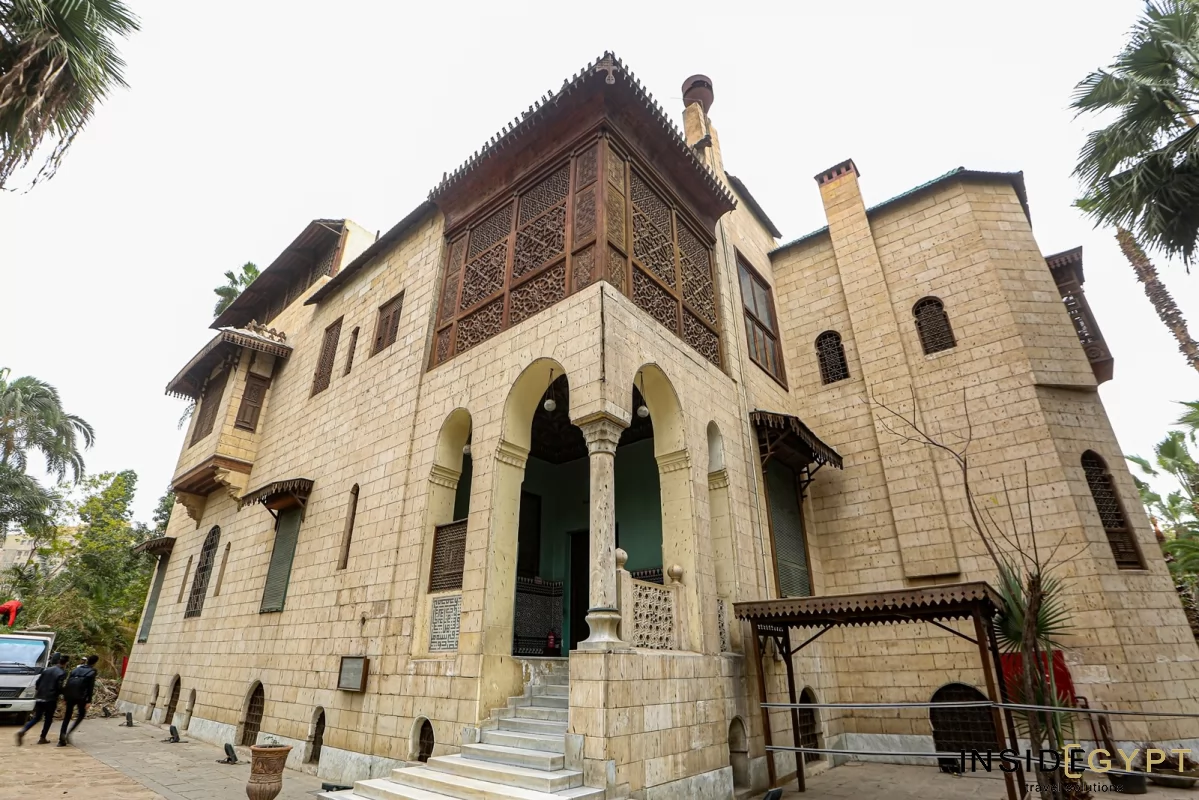

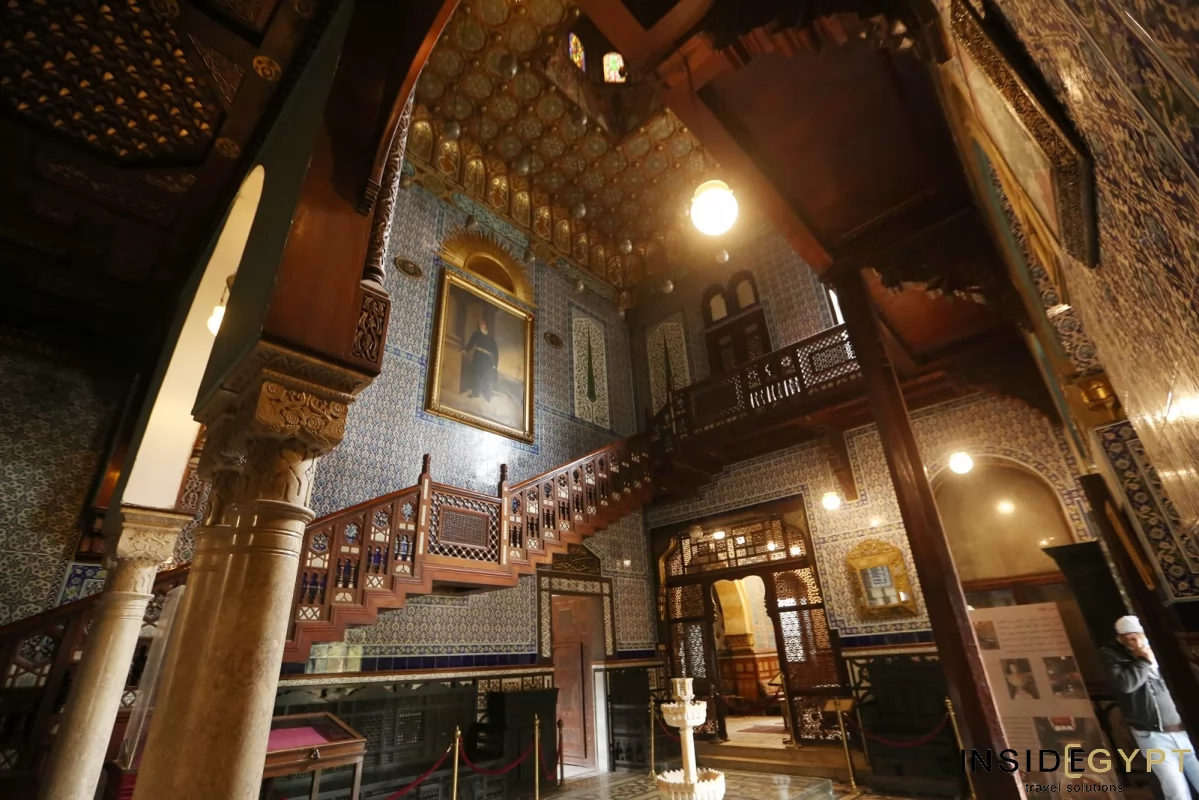
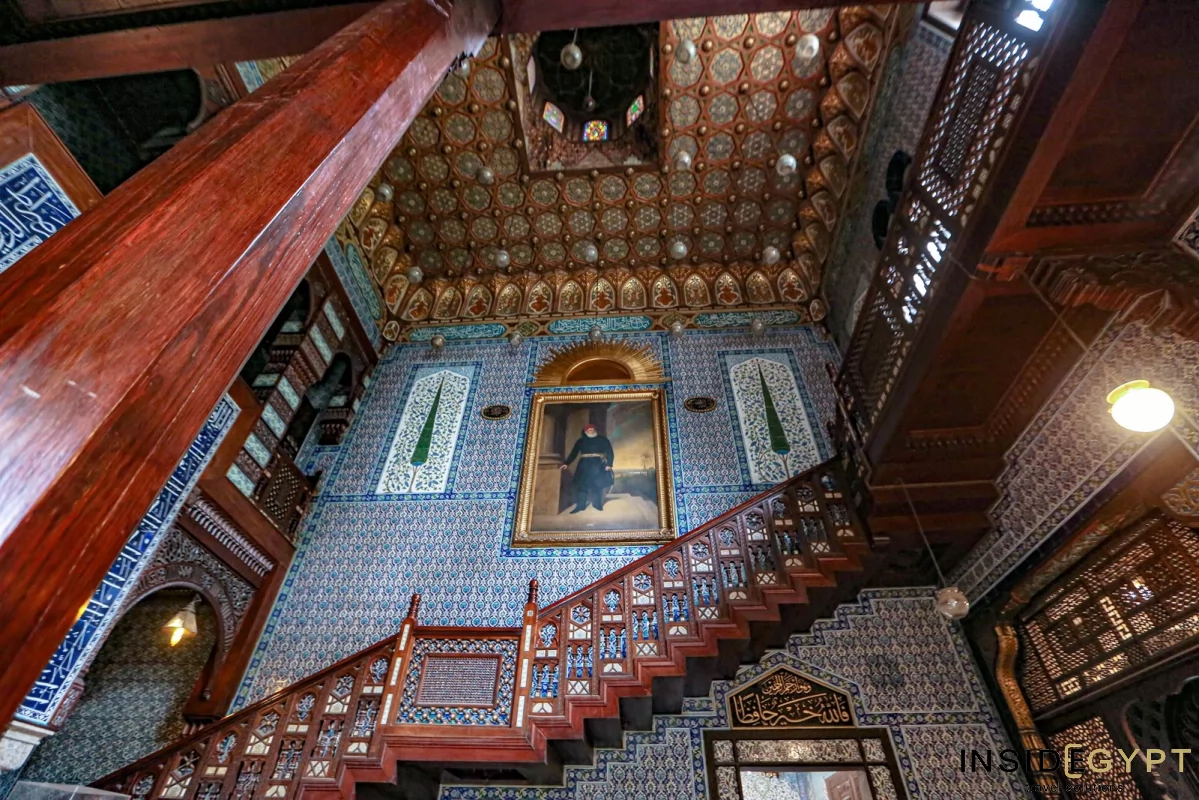
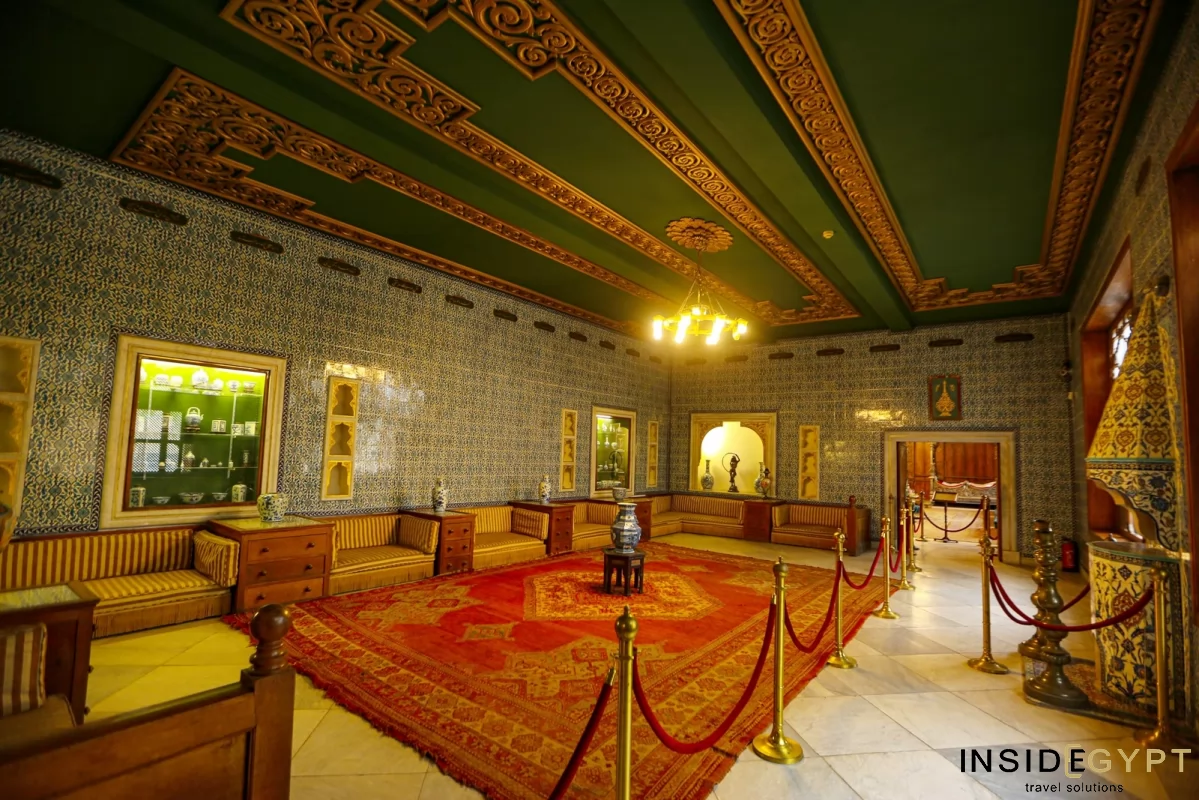

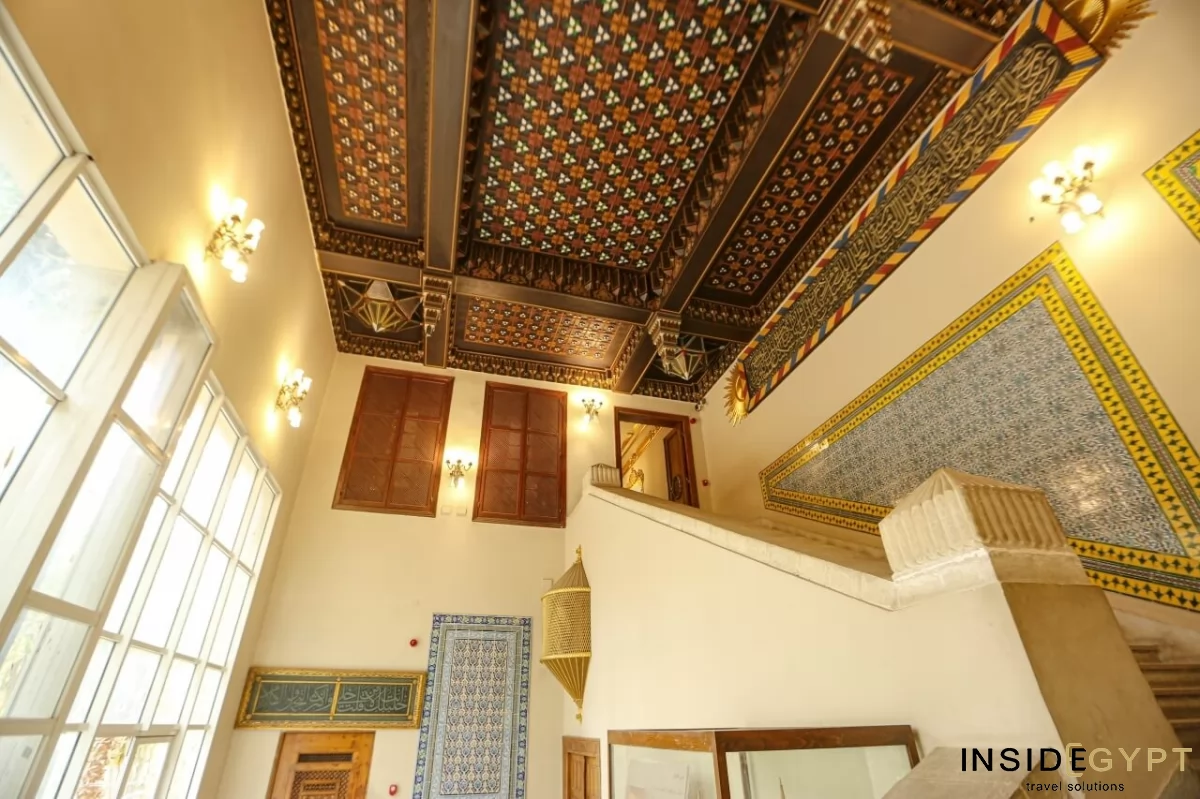
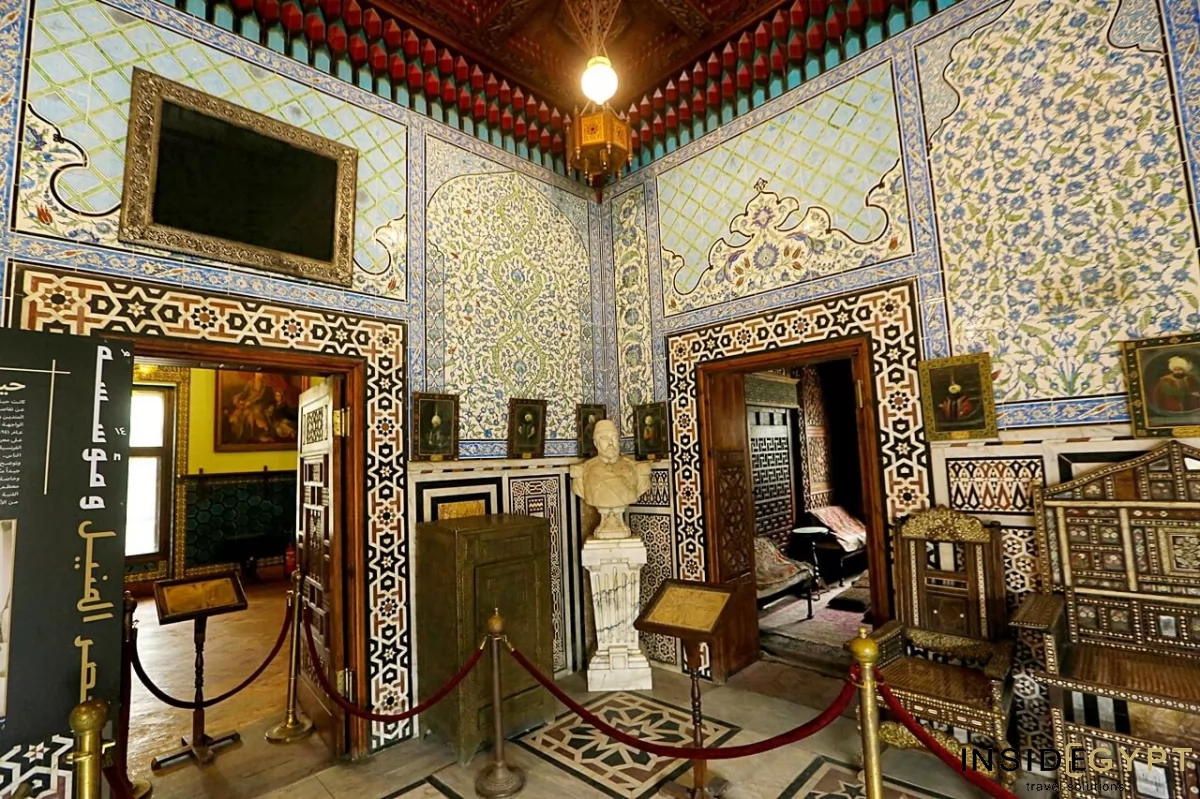

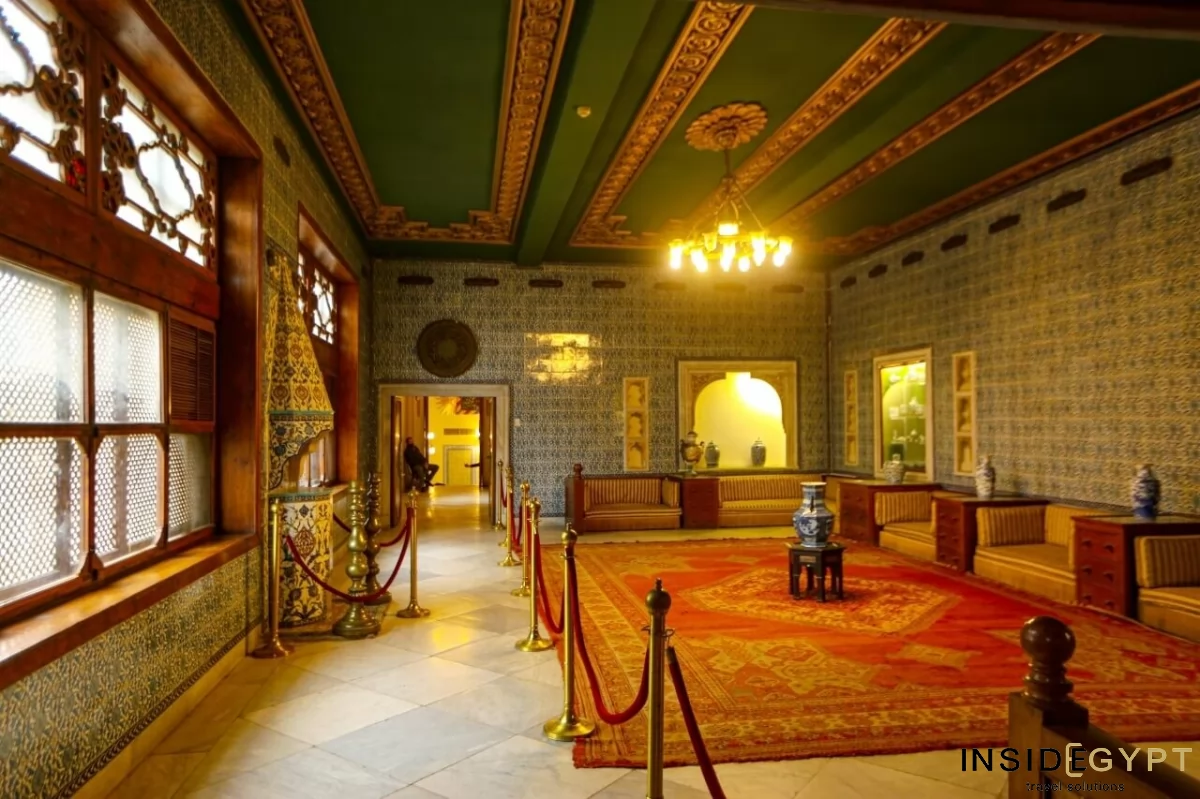
The Manial Palace and Museum is a royal-era palace complex on Rhoda Island (Roda) on the Nile in southern Cairo, built by Prince Mohammed Ali Tewfik between 1899–1929 and later preserved as a public museum.
1899–1929: Prince Mohammed Ali Tewfik, an influential figure of the Muhammad Ali (Alawiyya) dynasty and later heir-presumptive, created the palace as one of the most distinctive Egyptian royal family residences, designed to express both prestige and a passion for Islamic art.
Design era: The architecture intentionally blends multiple Islamic traditions (notably Ottoman, Persian, Moorish/Andalusian, plus Mamluk and Syrian influences), producing a “living anthology” of styles across pavilions, a mosque, museums, and gardens.
After 1952: Following the 1952 revolution and the end of the monarchy, royal properties were nationalized; Manial was transferred to state oversight and, in 1955, handed to the Egyptian people and placed under antiquities administration.
Today: As a museum, it matters because it preserves Egyptian nobility history, showcasing elite domestic life, royal-era collections, and the artistic legacy of modern Egypt beyond ancient monuments.
Yes, the Manial Palace and Museum can be included with Inside Egypt in two flexible ways:
During our 14 Days in Egypt Tour, the palace visit is an optional guided excursion, typically offered on Day 1 in Cairo (timed around your arrival and the day’s overall pace). You’ll explore with an expert Egyptologist, who brings the palace’s royal-era story to life and explains the Ottoman, Moorish, and Persian design details you might otherwise miss.
If you prefer something more tailored, it can also be arranged as a private tour on request, designed around your interests, timing, and comfort level. In both cases, Inside Egypt provides private transportation for a smooth, service-oriented experience - ideal for travelers who want ease and curated planning rather than navigating Cairo independently.
As a historic house museum by Egypt's Antiquities Council, Manial Palace fits beautifully into curated Cairo itineraries focused on Egypt’s modern history, Islamic art traditions, and the refined side of the city beyond the pyramids.
The Manial Palace is a showcase of 19th–20th century Egyptian architecture built as a deliberate “style anthology,” reflecting Prince Muhammad Ali’s passion for collecting - and curating - Islamic and global aesthetics.
Key architectural styles (clearly blended):
This mix was Prince Muhammad Ali’s vision of Egypt as both modern and heir to multiple Islamic civilizations, making the site feel like an Islamic art and architecture museum Cairo as much as a former royal residence.
Top things to see inside the Manial Palace (what visitors actually walk through):
Together, the halls, chambers, mosque, tower, gardens, and galleries make the visit feel varied, like moving through a sequence of different “worlds,” each with its own mood and artistry.
Here are four standout highlights that capture why the Manial Palace and Museum ranks among the most important historical museums in Egypt:
Unlike other Cairo museums, the Manial Palace is a lived-in royal environment, a historic house museum where the building, rooms, gardens, and décor are the collection. You don’t just view objects in cases; you move through reception halls, private chambers, a mosque, and landscaped grounds that reveal how a modern royal household presented taste, power, and identity.
Unlike the Egyptian Museum, which centers on ancient Pharaonic masterpieces (statues, coffins, treasure) displayed as archaeological artifacts, Manial focuses on lifestyle and atmosphere, what elite life looked and felt like in Egypt’s late-monarchy era.
Unlike NMEC (National Museum of Egyptian Civilization), which tells a broad national story across eras and is famous for its royal mummies and big-picture narrative, Manial is intimate and personal: a prince’s curated world, rich in design detail and domestic context.
Unlike the Museum of Islamic Art, which showcases Islamic objects from many regions and centuries in a gallery format, Manial lets you experience Islamic-inspired aesthetics in situ, Ottoman, Moorish/Andalusian, and Persian influences embedded in architecture, interiors, and gardens, tied directly to royal patronage and modern Cairo history.
Yes, the Manial Palace and Museum is absolutely worth visiting for first-time travelers who want cultural depth beyond pyramids, temples, and “ancient Egypt” highlights.
What makes it special is the experience: you’re not in a conventional gallery, you’re walking through a preserved royal world. The palace’s halls, private rooms, mosque, and gardens reveal how Egypt’s modern elite lived and how they presented identity, taste, and power at the turn of the 20th century. For many visitors, it’s the moment they realize Egypt’s story doesn’t jump from Pharaohs straight to the present; there’s a refined royal chapter in between.
It’s also a design lover’s stop. The architecture blends Ottoman, Moorish/Andalusian, and Persian inspiration with European flourishes, so every space offers photo-worthy patterns, ceilings, carved details, and tilework. If you enjoy interiors, craftsmanship, and atmosphere, this is one of Cairo’s most visually rewarding visits.
Choose it if you’re curious, like storytelling, and want a calmer, more intimate counterpoint to the big-ticket sites, especially if royal history, decorative arts, and modern Cairo context are part of what you travel for.
Here are easy, logical add-ons that pair well with the Manial Palace in a broader Cairo day:
Old Cairo / Fustat cluster (best pairing)
Nile-side experiences (great at golden hour)
If you’re extending the day
Choose Inside Egypt for a Manial Palace visit if you want more than “rooms and labels” - you want the palace to make sense as a royal world.
With expert Egyptologist guides, you get context that self-guided visitors often miss: why Prince Muhammad Ali curated specific halls and collections, how the palace’s Ottoman, Moorish/Andalusian, Persian, and European influences express identity and power, and what it reveals about the modern royal history of Egypt. Instead of isolated facts, you hear a coherent story that connects architecture, objects, and Cairo’s transformation in the early 20th century.
We also elevate the experience through comfort and control. Luxury private transport means no hailing taxis, no navigation stress, and a smoother day across Cairo. Private pacing gives you time for the spaces that matter most to you, photography in the gardens, lingering in the ceremonial halls, or focusing on manuscripts and decorative arts, without being rushed by a group schedule.
Finally, Inside Egypt is built around cultural storytelling: the palace becomes a vivid chapter in Egypt’s royal era, not just a beautiful building. The result feels personal, immersive, and effortlessly organized, exactly what many travelers want from a high-end Cairo experience.
Inside Egypt tour packages are designed to balance Egypt’s headline monuments with authentic local atmosphere and well-timed comfort, so your trip feels complete, not rushed. Each itinerary blends iconic historical sites, lively markets and neighborhoods, and relaxing cruise time. Tours run in small groups (6–20 guests), which means smoother logistics, more personal guiding, and a pace that leaves room for photos, questions, and unhurried moments.
Here are the Egypt tour packages we offer: