
Inside Egypt Journal
Weekly stories, discoveries and priority access to extraordinary journeys.
Abdeen Palace is a royal palace in central Cairo, built between 1863 and 1874 under Khedive Ismail, and served as the official seat of Egyptian government for over 75 years. The palace replaced the Citadel of Salah al-Din as Egypt's primary seat of government when construction was completed in the late 19th century. From this grand complex, kings governed the country, hosted foreign dignitaries, and oversaw the affairs of the Egyptian state.
After the 1952 revolution, the palace continued to serve an official role in the modern republic, remaining closely connected to Egypt’s political life.
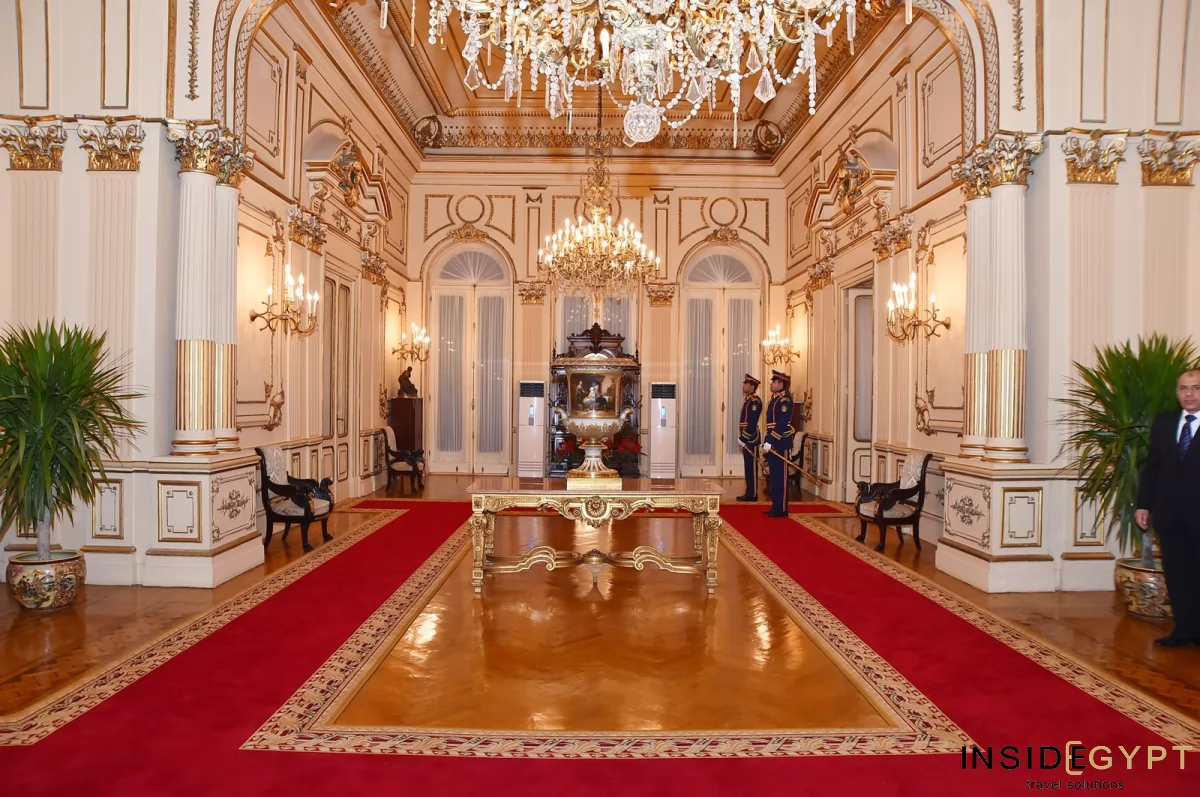
Abdeen Palace is open to visitors as a museum complex housing several permanent collections, including royal silverware, weapons, and gifts presented to Egyptian presidents. Lavish halls, ornate decorations, and impressive museum collections reveal the lifestyle of Egypt’s royal court and the evolution of the nation’s leadership. An Abdeen Palace tour offers visitors a rare opportunity to step inside one of Cairo’s most historic government buildings while learning about the dramatic transition from monarchy to republic that shaped modern Egypt.
However, you can visit this palace with us only during the 14 Days in Egypt Tour (optional excursion) or on a private tour organized upon special request.
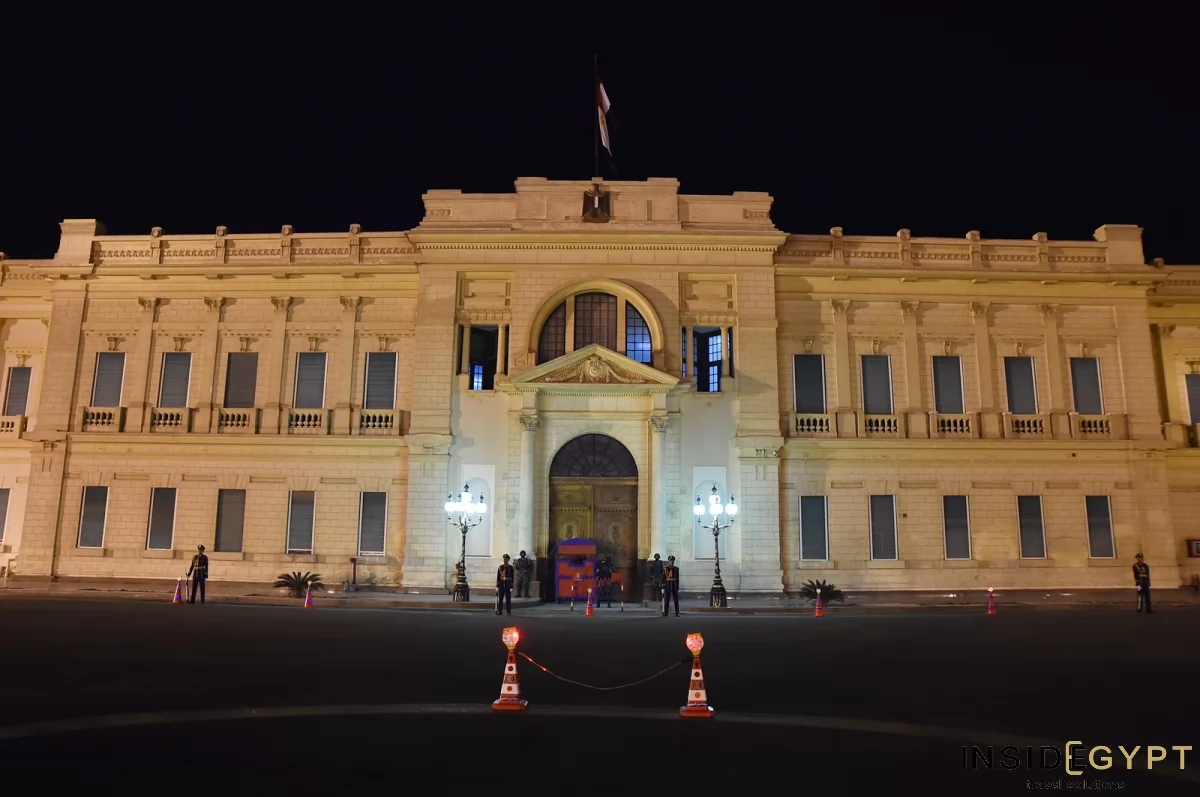
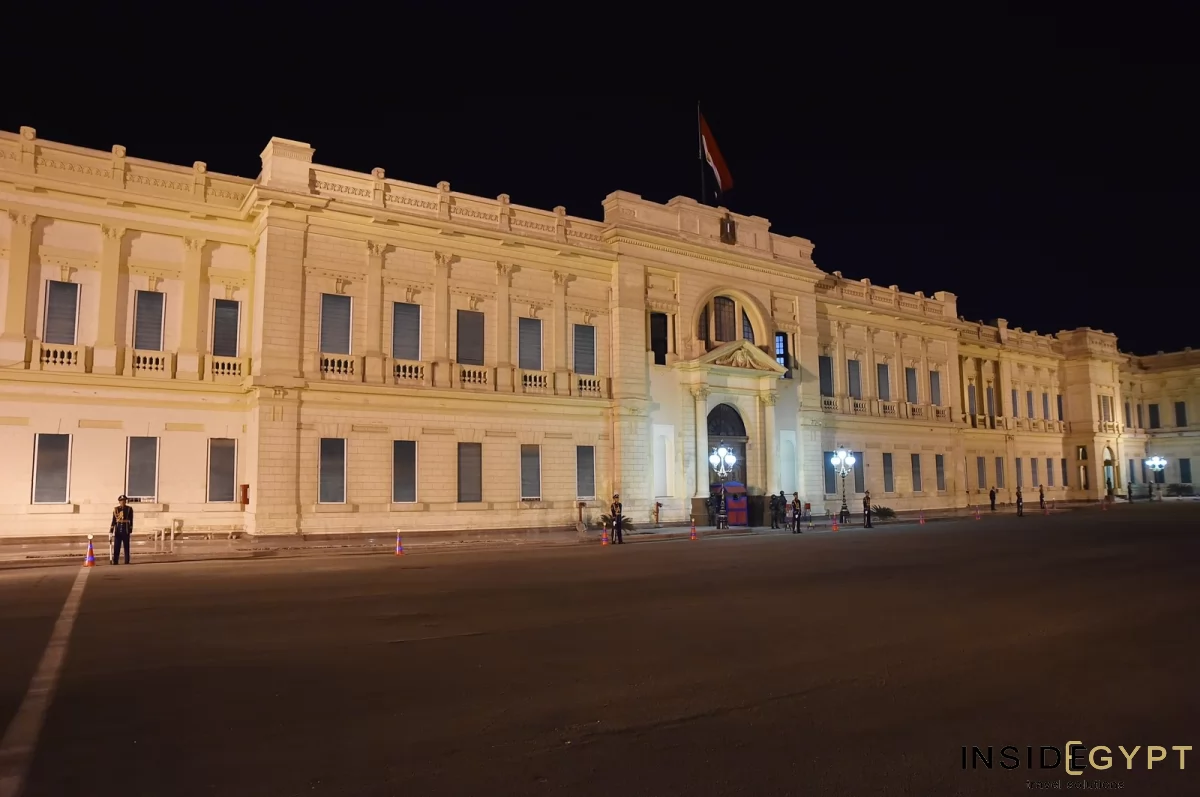
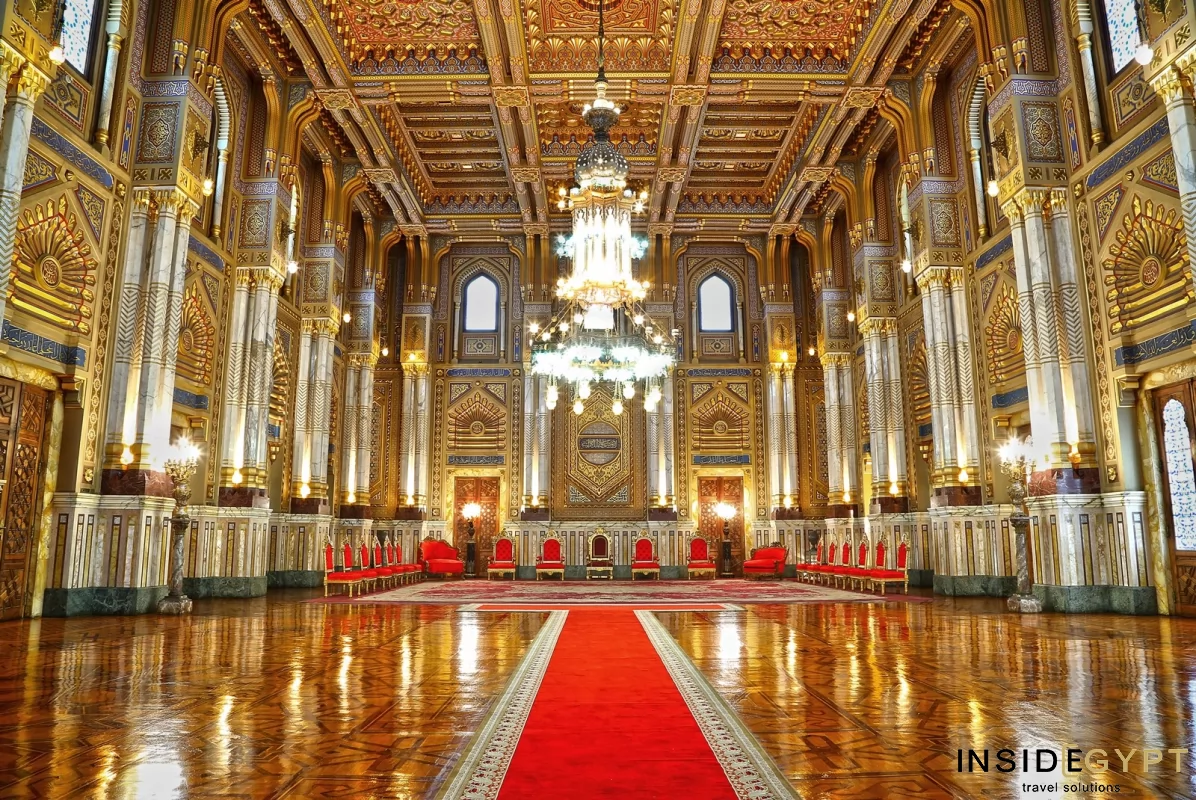
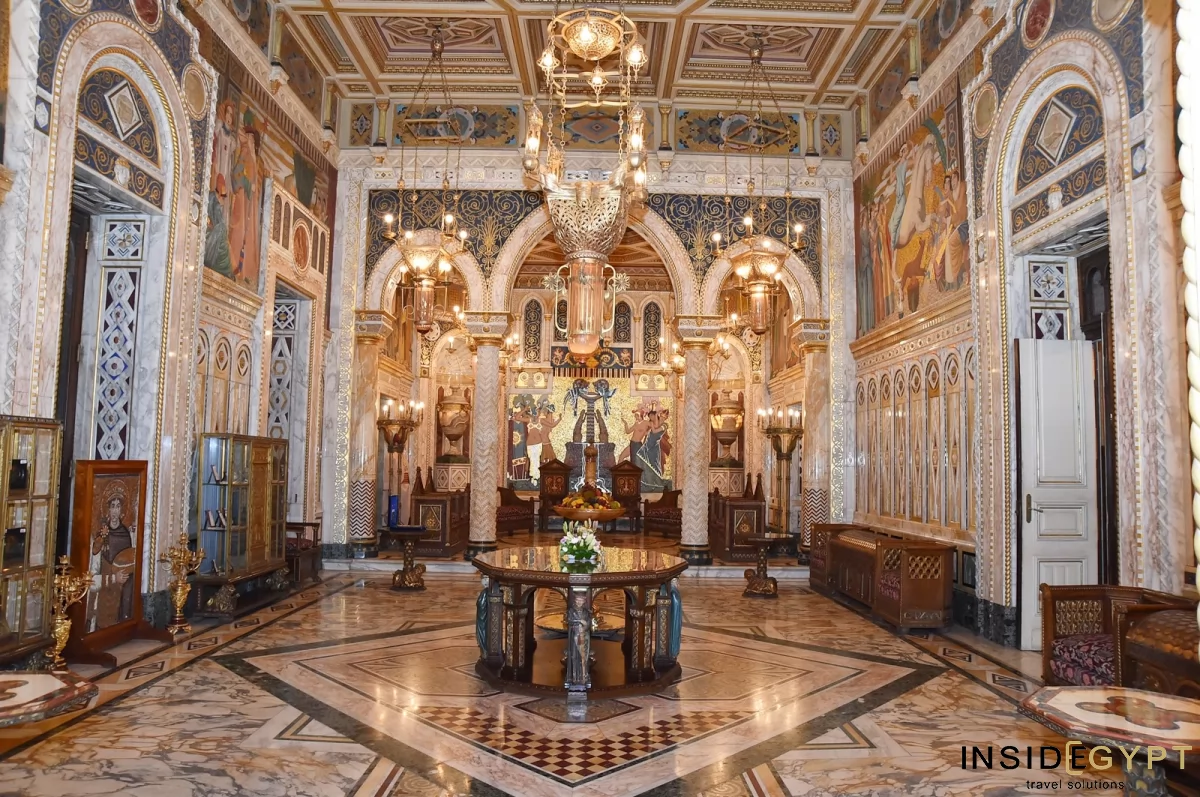
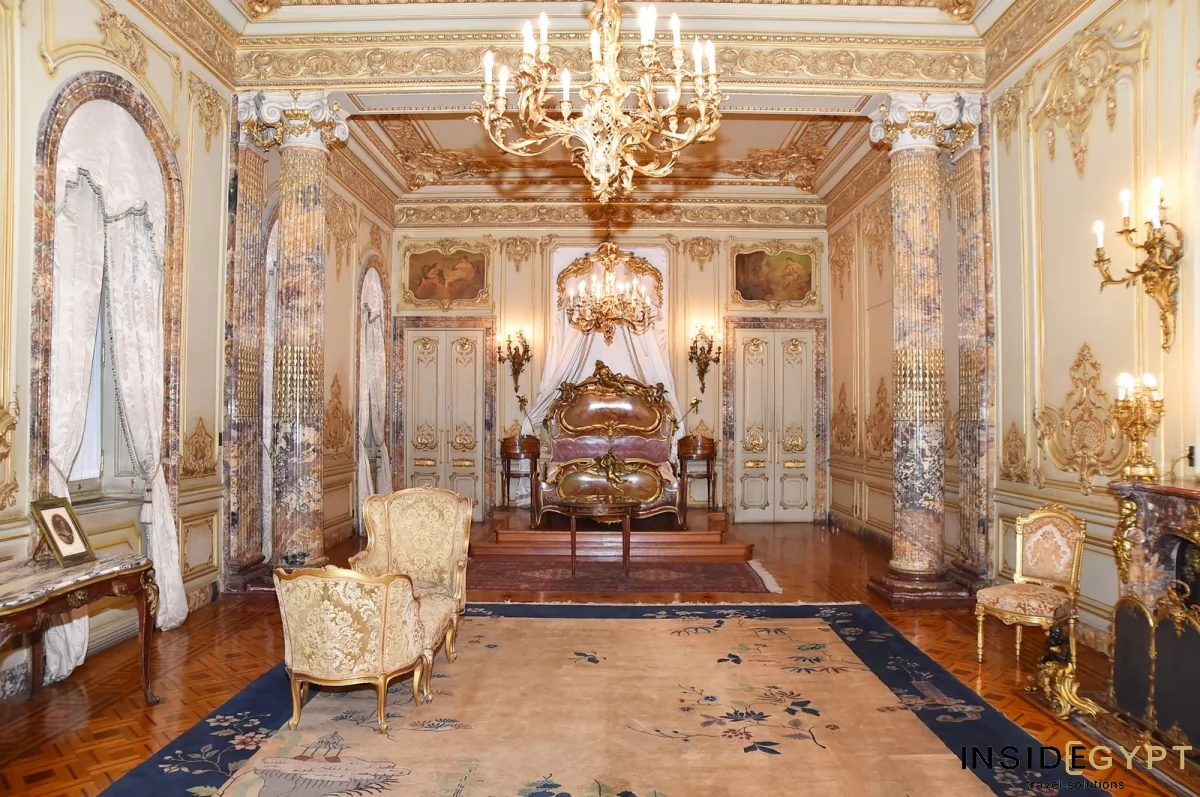
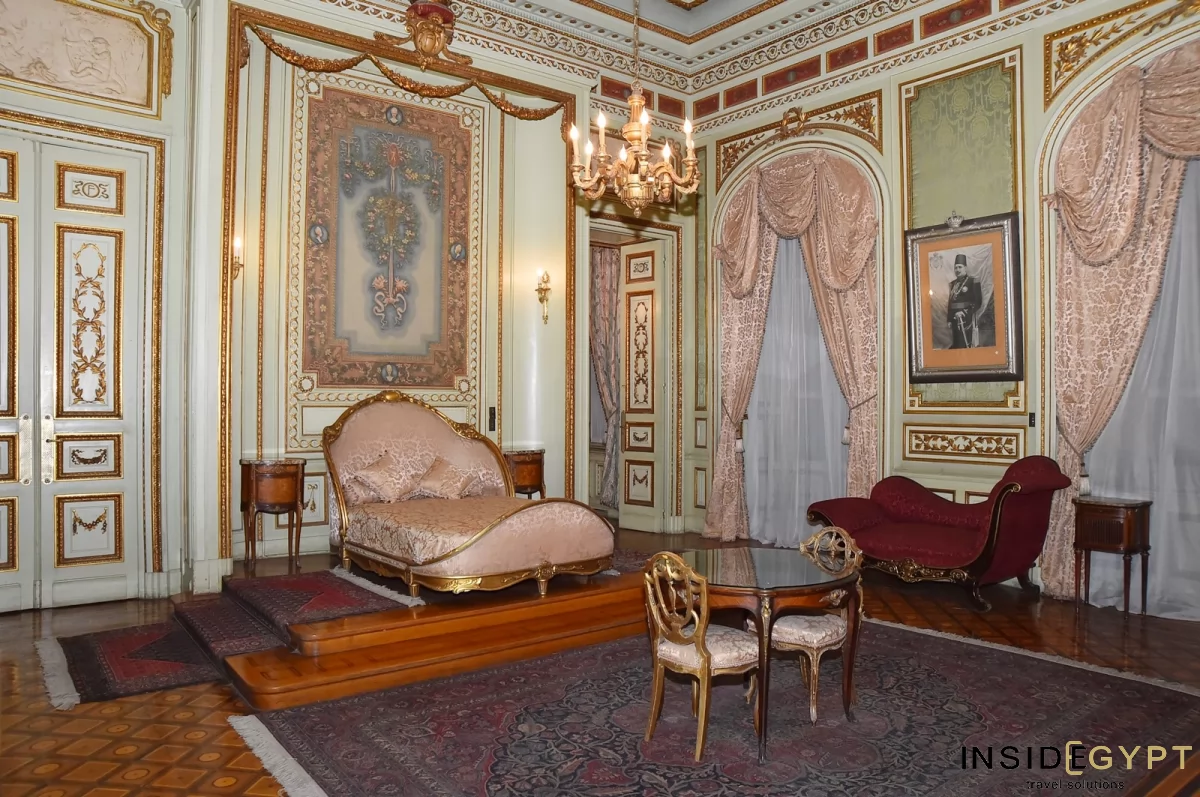
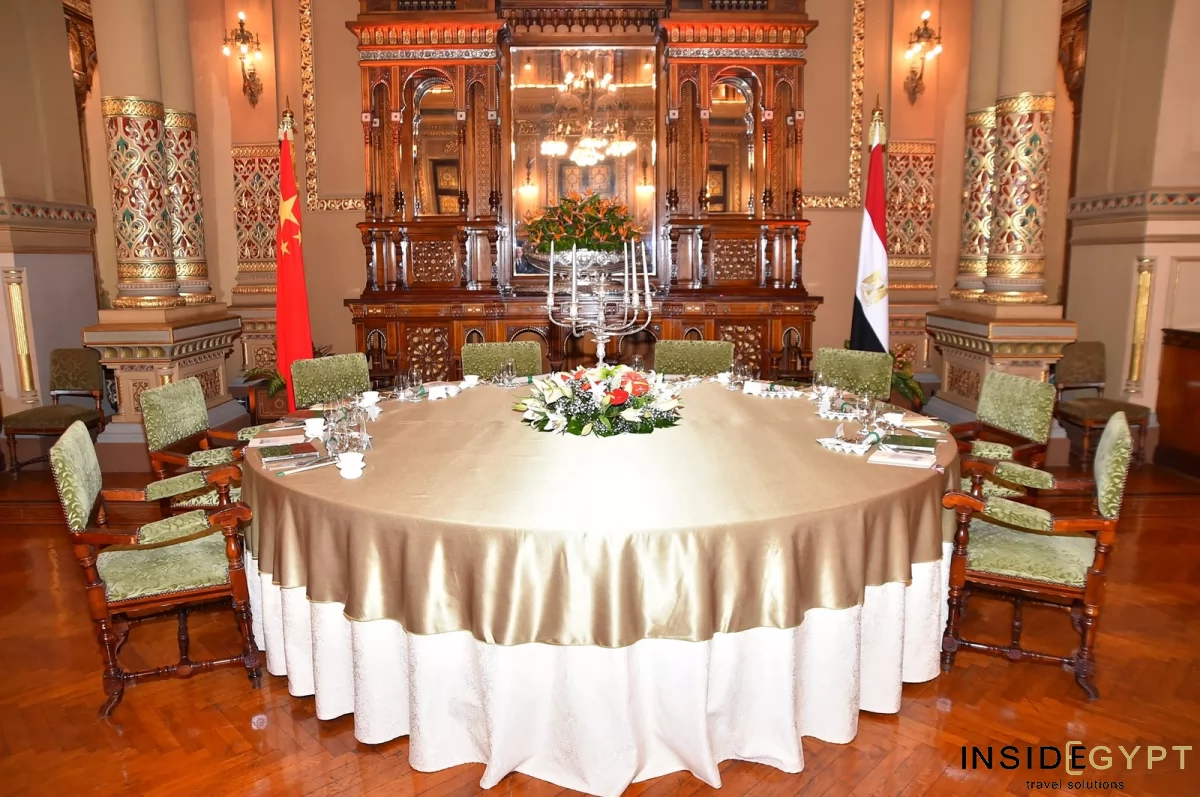
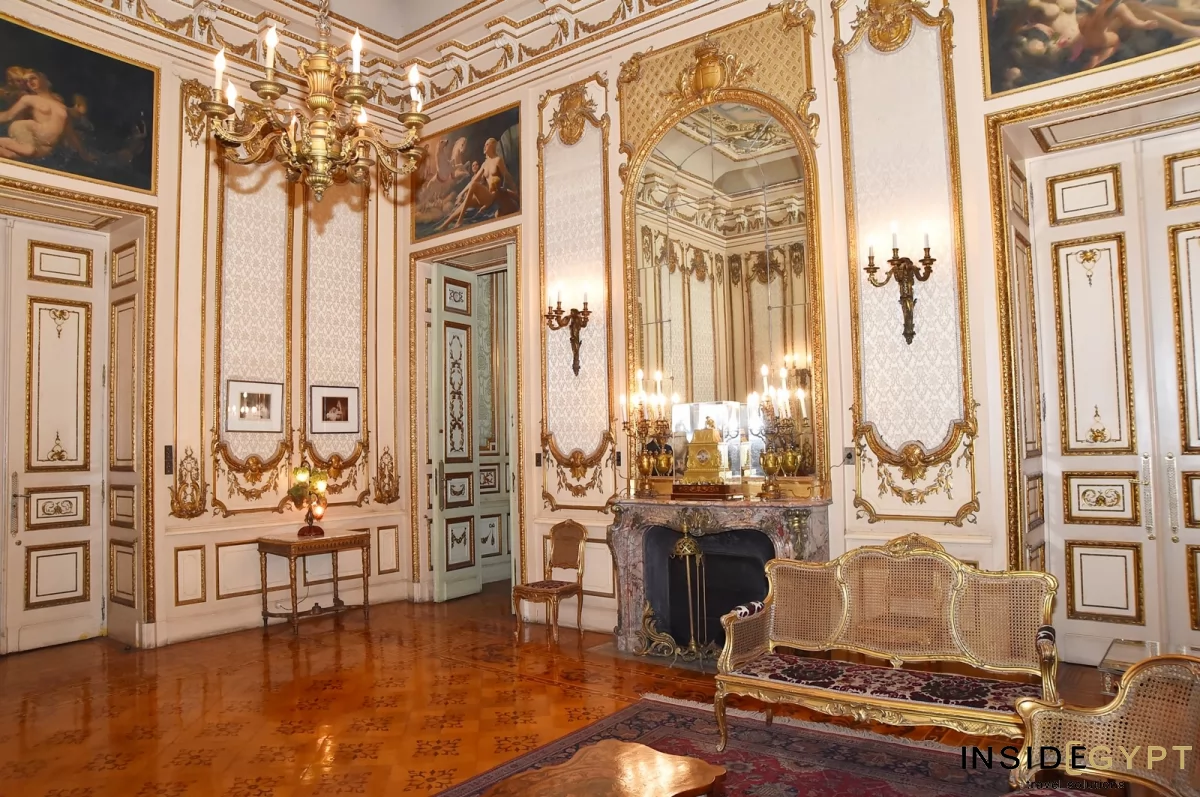
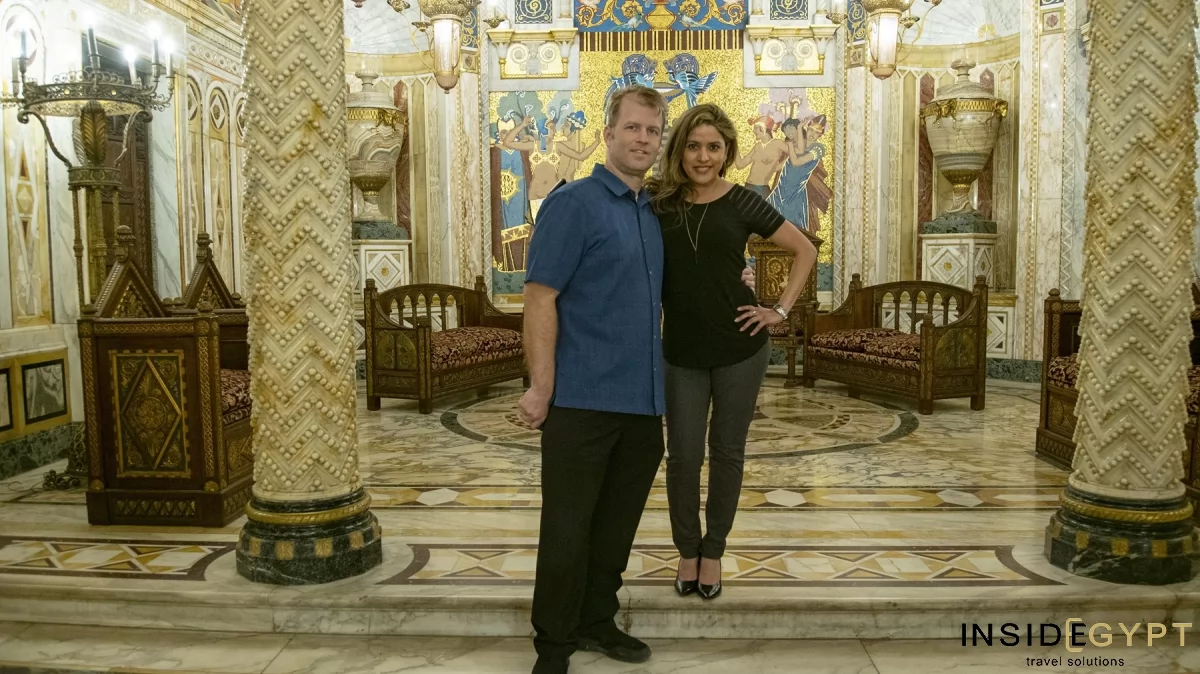

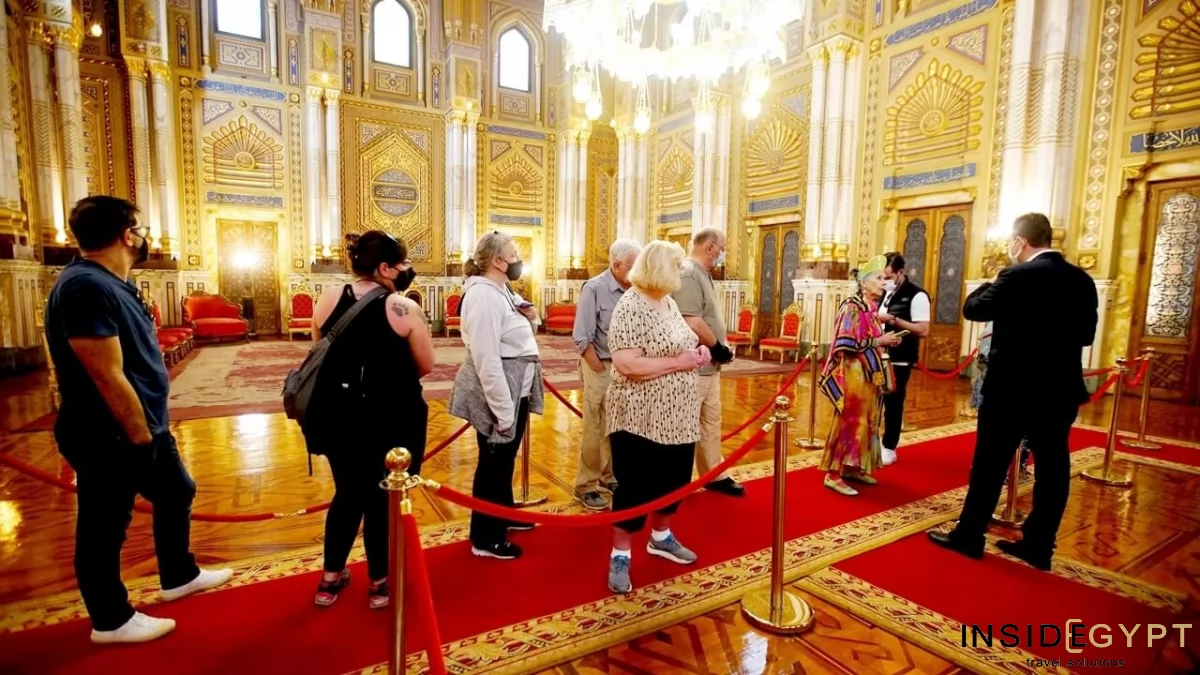
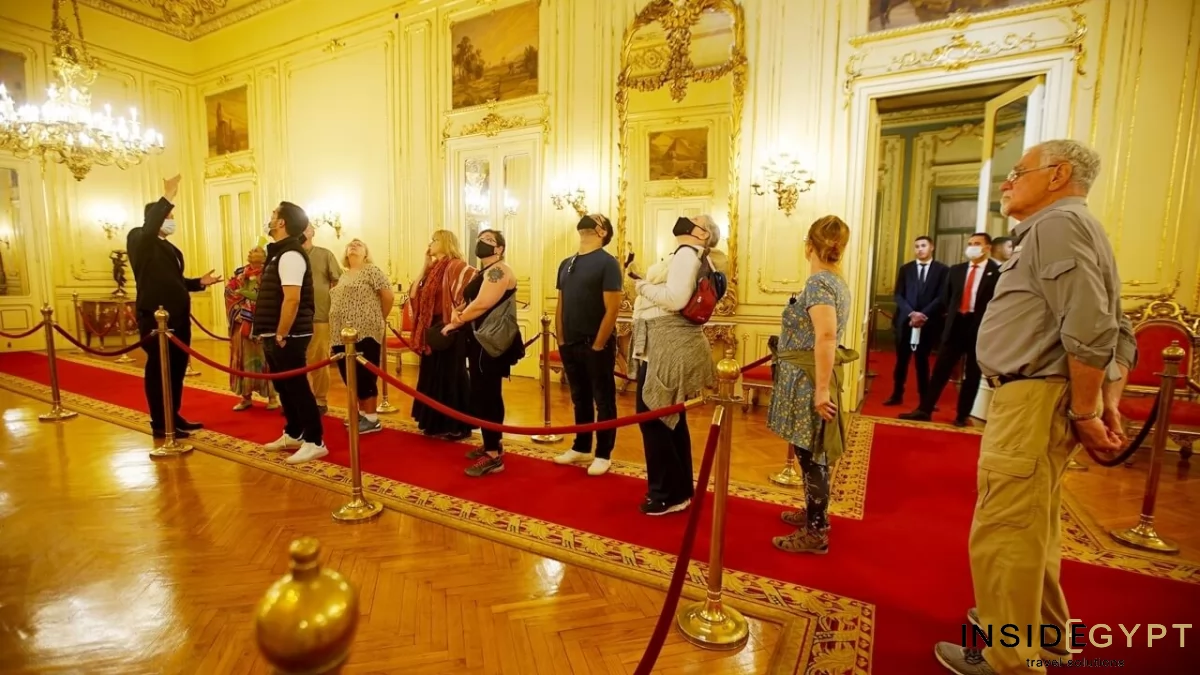
Tourists can visit Abdeen Palace in Cairo, though access is limited to the museum galleries — the residential and administrative wings remain part of the active presidential compound. Today the palace serves both as part of the presidential compound and as a cultural site open to the public. Visitors are generally able to explore several impressive Abdeen Palace museums, which display royal collections including historic weapons, medals, silverware, and diplomatic gifts presented to Egypt’s rulers. These museum sections provide insight into Egypt’s royal court and the political history of the late 19th and early 20th centuries.
However, not all areas of the palace are accessible. Certain sections remain part of the official presidential complex and can only be entered with special authorization. Extended access to restricted areas of the palace is available through specialist tour operators, subject to prior authorisation from Egyptian authorities.
Abdeen Palace contains five permanent museums covering Egypt's royal arms, silverware, presidential gifts, royal family history, and decorative arts. The Arms Museum displays an impressive collection of historic weapons, including swords, firearms, and ceremonial arms used by Egypt’s rulers and their guards.
Visitors can also explore the Presidential Gifts Museum, which presents diplomatic gifts offered to Egyptian presidents by world leaders and international delegations, revealing important moments in modern political history. Another highlight is the Royal Family Museum, where personal belongings, portraits, and historical objects connected to Egypt’s monarchy are displayed. These museum galleries offer a unique glimpse into the ceremonial life, diplomacy, and legacy of Egypt’s rulers.
To visit these collections, a separate Abdeen Palace ticket is required. The museum is open daily from 09:00 am to 3:00 pm (closed on Fridays), and the ticket price is 100 EGP per person.
Abdeen Palace in Cairo is one of Egypt’s most important royal and political landmarks. The history of Abdeen Palace Cairo begins in the 19th century during the reign of Khedive Ismail, who ordered its construction as part of his ambitious plan to modernize Cairo and transform it into a European-style capital. Completed in 1874, the palace replaced the Citadel as the official seat of government and royal residence. For nearly eight decades, Abdeen Palace was the site where Egypt's khedives and kings administered government, conducted diplomatic meetings, and hosted state ceremonies under both Ottoman suzerainty and full independence.
Throughout the 20th century, the palace remained closely tied to major national events. It served as the residence of Egypt’s kings until the 1952 revolution, a period whose political life and royal administration are documented in the Egyptian royal archives (1922–1952). Abdeen Palace reflects the transformation of Egypt from monarchy to modern state.
Many travelers wonder whether they can explore the official presidential rooms when they visit the Presidential Abdeen Palace. In general, the formal presidential areas are not open to the public because the palace remains part of Egypt’s active presidential complex. These sections are reserved for state functions, official receptions, and visiting dignitaries, so access is typically restricted for security reasons.
However, an Abdeen Palace tour usually allows visitors to explore the museum areas located in the lower levels of the complex. Standard public visits include access to the museum galleries and, in some cases, historic reception halls including the Throne Hall.
In rare cases, Inside Egypt can arrange an Abdeen Palace exclusive visit, allowing guests to access additional palace interiors beyond the public museum areas. These visits require special permission and security clearance, so availability may vary depending on official schedules.
Abdeen Palace began welcoming the public as a museum complex in the late 20th century, after extensive restoration work was carried out during the presidency of Hosni Mubarak in the 1990s. While the palace had long served as a royal residence and later as part of Egypt’s presidential headquarters, plans were developed to preserve its historical collections and open selected areas to visitors.
The restoration projects focused on conserving the palace’s richly decorated halls and organizing its historic collections into specialized museum galleries. As a result, visitors today can explore several museums inside the palace displaying royal artifacts, diplomatic gifts, historic weapons, and ceremonial objects connected to Egypt’s rulers.
Inside Egypt’s Abdeen Palace exclusive visit offers a level of access and insight far beyond standard tours. Tours are led by a specialist Abdeen Palace guide with expertise in Egyptian royal history, providing room-by-room historical context not available on self-guided or standard group visits.
The journey unfolds as a carefully curated experience, from the grandeur of the main hall and the iconic Mirror Staircase to the historically significant Suez Canal Hall. As you move through the Red and Green Salons, the Muhammad Ali Hall, and the Theatre Hall, the guide connects each space to Egypt’s royal legacy, offering perspectives most visitors never hear.
In the Throne Hall and royal dining rooms, you gain a deeper understanding of court life, while the Hunting Corridor and Khedive Ismail’s salons reveal the personal tastes and ambitions behind the palace’s design. The visit concludes in Queen Nazli’s private suite, adding an intimate, human dimension to the experience.
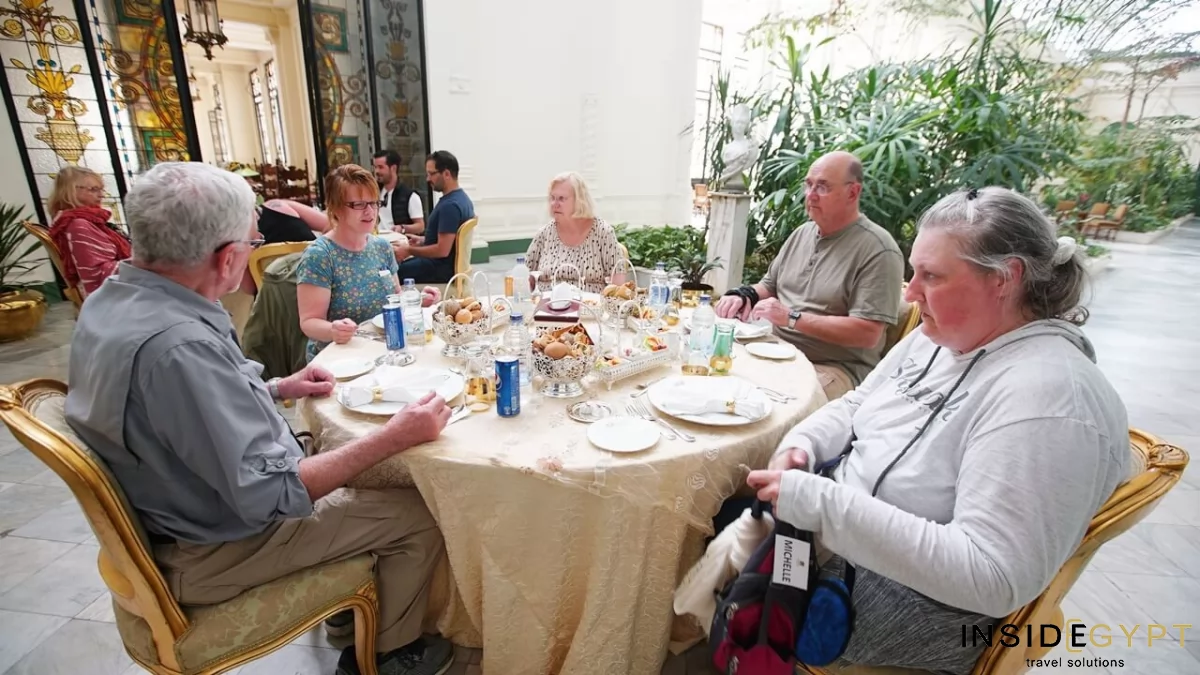
With small group sizes, seamless pacing, and exceptional attention to detail, this is not just a tour, it’s an immersive journey. Guests also enjoy a private royal lunch, elevating the experience even further.
Please note that the Abdeen Palace Museum is not included in this experience.
With our best price guarantee, it’s the perfect moment to book a visit that transforms Abdeen Palace into a living story.
When planning your Abdeen Palace tour, it’s best to allow around 1.5 to 2 hours for the full experience. This gives you enough time to comfortably explore the palace’s grand halls, reception salons, and royal apartments.
As part of a broader Cairo itinerary, a Cairo presidential palace tour fits easily into a half-day plan and pairs well with nearby attractions near Abdeen Palace like Khan El-Khalili Bazaar and the Egyptina Museum. If you also wish to explore additional collections independently, you may want to allocate extra time.
The visit to the Presidential Abdeen Palace is a well-paced, enriching experience that doesn’t feel rushed but also doesn’t take up your entire day.