
Inside Egypt Journal
Weekly stories, discoveries and priority access to extraordinary journeys.
Last updated: July 2026
This guide is reviewed regularly and updated as official travel advice evolves.
Bottom line: Cairo is generally safe for tourists who follow normal big-city precautions. The most common problems are scams and overcharging attempts, plus pickpocketing in crowded places, not violent crime.
Is Cairo safe for tourists? If you’re wondering whether Cairo is safe for tourists, the honest answer is: yes, for most travelers, especially when you stick to well-known neighborhoods, use reliable transportation, and avoid common tourist traps.
Is it safe to travel to Cairo? Cairo is a huge, high-energy city. The risks visitors actually face are usually practical, not dramatic: occasional pickpocketing in crowded areas, overcharging attempts, and “helpful” strangers who expect money. With a few simple habits, you can explore confidently and enjoy the city’s history, culture, and food without stress.
Egypt travel advice and safety: In this guide, I’ll walk you through what to expect, which areas are easiest for first-timers, how to avoid scams, the safest ways to get around, and how we help guests travel smoothly with private drivers, vetted guides, and curated luxury itineraries.
Safety Snapshot (for first-time visitors)
With thoughtful planning, especially around transportation and the busiest tourist sites, Cairo is a comfortable and highly rewarding destination for visitors.
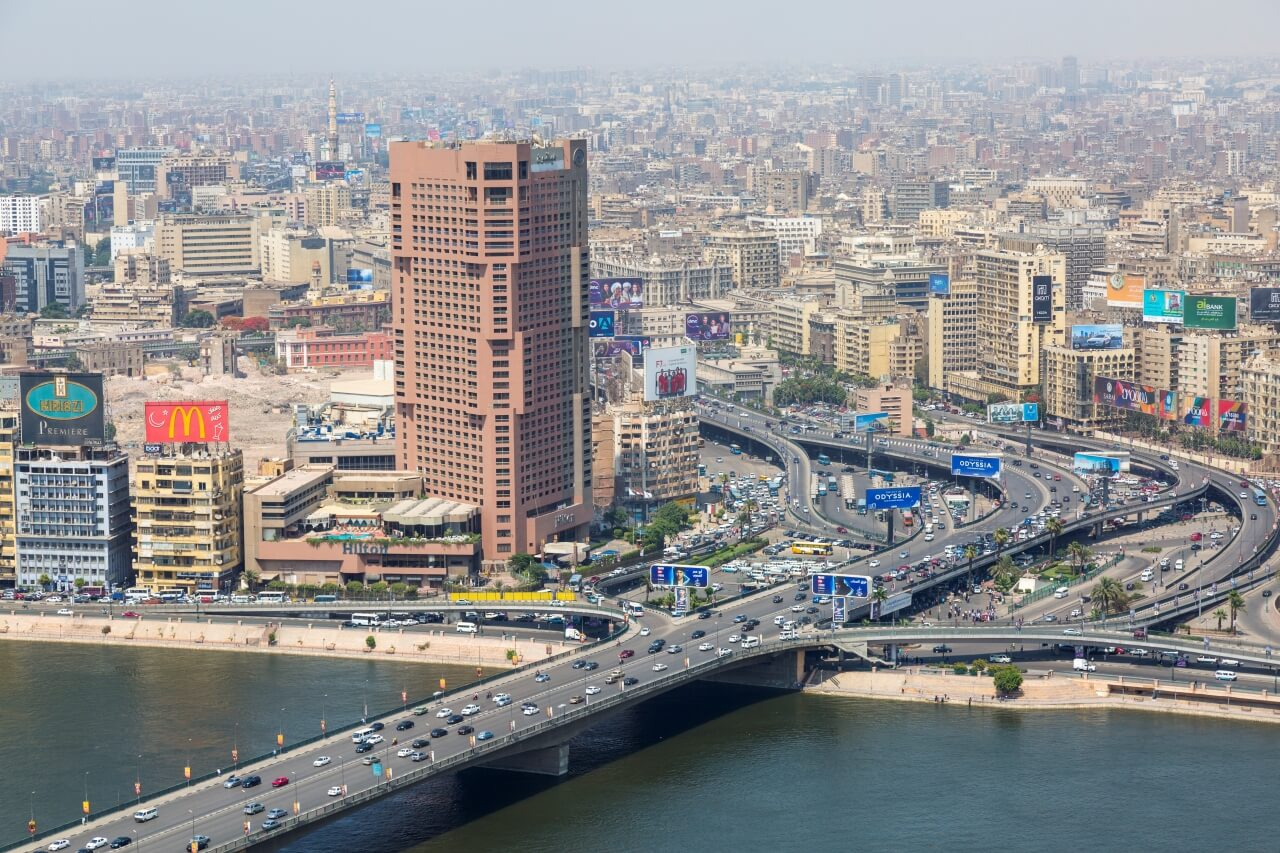
Most government travel advisories from countries such as the UK, US, Australia, and Canada assess Cairo as largely safe for tourists, while clearly distinguishing the city from higher-risk areas elsewhere in Egypt. Cairo is typically covered under phrases such as “exercise increased caution” or “normal safety precautions apply.” In plain English, this does not mean “dangerous” or “do not go.” It means: stay aware, avoid protests, watch for petty crime, and follow local laws - the same guidance given for many major cities worldwide.
If you'd like to double-check the facts, consult official travel advisories near your departure date. The U.S. Department of State’s Egypt travel advisory and the UK Foreign Office safety guidance for Egypt typically frame Cairo as functioning normally for tourism, with the usual reminder to stay alert and use standard urban precautions. Always read the full advisory for your nationality and travel style, as recommendations can differ.
Advisories consistently note that tourist zones, hotels, airports, and major attractions are well secured, and violent incidents involving tourists in Cairo are rare. The language may sound alarming because it is written to address worst-case scenarios and legal liability, not everyday travel reality. Interpreted realistically, these advisories signal that Cairo is open and functioning for tourism, with standard urban risks rather than extraordinary threats.
Travelers sometimes worry about regional conflicts in the Middle East and whether they affect Cairo. Egypt is geographically close to several areas that appear frequently in international news, but daily life and tourism in Cairo typically continue normally even when tensions rise elsewhere in the region.
Following the military tensions between the United States and Iran in June and July 2026, many travelers asked whether Cairo is close to Iran and whether the conflict affects travel to Egypt. Although both countries are part of the broader Middle East, they do not share a border. Cairo is approximately 1,600 km (1,000 miles) from Tehran — about the same distance as New York to Miami or Chicago to Dallas. Understanding these distances helps put the geography into perspective. Egypt's main tourist destinations, including Cairo, the Pyramids of Giza, the Grand Egyptian Museum, Luxor, Aswan, and Nile cruises, have continued to welcome visitors throughout this period.
Egypt maintains strong security measures around major cities and tourist sites, and Cairo remains one of the most stable and heavily protected capitals in the region. For visitors, the practical advice remains the same: follow official travel guidance, stay informed before departure, and focus on established tourist areas.
Travelers often ask whether the conflict between Israel and Hamas affects safety in Cairo. While the war has received significant international attention, its impact on daily life in Cairo and Egypt’s main tourist areas has been limited.
Egypt shares a border with Gaza in the Sinai Peninsula, which is geographically far from Cairo and Egypt’s primary tourist destinations such as the Pyramids of Giza, the Grand Egyptian Museum, and the Nile-side districts where most visitors stay. Tourism infrastructure in Cairo continues to operate normally, including hotels, museums, airports, and guided tours.
Egyptian authorities closely monitor regional developments and maintain strong security around major cities and tourist sites. For visitors, the practical advice remains unchanged: follow official travel advisories, avoid political demonstrations, and focus on established tourist areas.
In practice, most travelers visiting Cairo experience the same conditions they would expect in any large global city, with routine urban precautions rather than conflict-related risks.
When people research Cairo, their questions tend to sound very specific: “Is there a terrorism risk?” “Will I be targeted as a tourist?” “Is harassment common?” These concerns stem largely from Egypt’s past security headlines, regional instability in the Middle East, and viral travel stories that lack context. In reality, terrorism fears are usually about possibility, not probability - major tourist areas in Cairo are heavily secured, and incidents involving visitors are extremely rare.
More practical worries center on common petty crime and harassment, such as pickpocketing, scams, persistent vendors, or unwanted attention - especially for women. These are real issues, but they are nonviolent and similar to what travelers experience in many crowded cities worldwide. Travelers ask about them because they’re disruptive, not because they’re dangerous. Framing these concerns realistically helps visitors prepare without unnecessary fear.
The ongoing threat of terrorism in Egypt is something authorities plan for, but in Cairo it is tightly managed and rarely affects tourists. High-profile sites such as the Giza Plateau, major museums, hotels, and transport hubs have controlled entry points, visible security, and dedicated tourist police. Reports of incidents affecting tourists in Cairo are rare.
Egyptian authorities prioritize visitor safety because tourism is a vital part of the national economy. This results in proactive security measures rather than reactive ones. For travelers, the practical takeaway is straightforward: stick to established attractions, avoid political gatherings, follow local guidance, and you are very unlikely to encounter any terrorism-related risk during a normal visit.
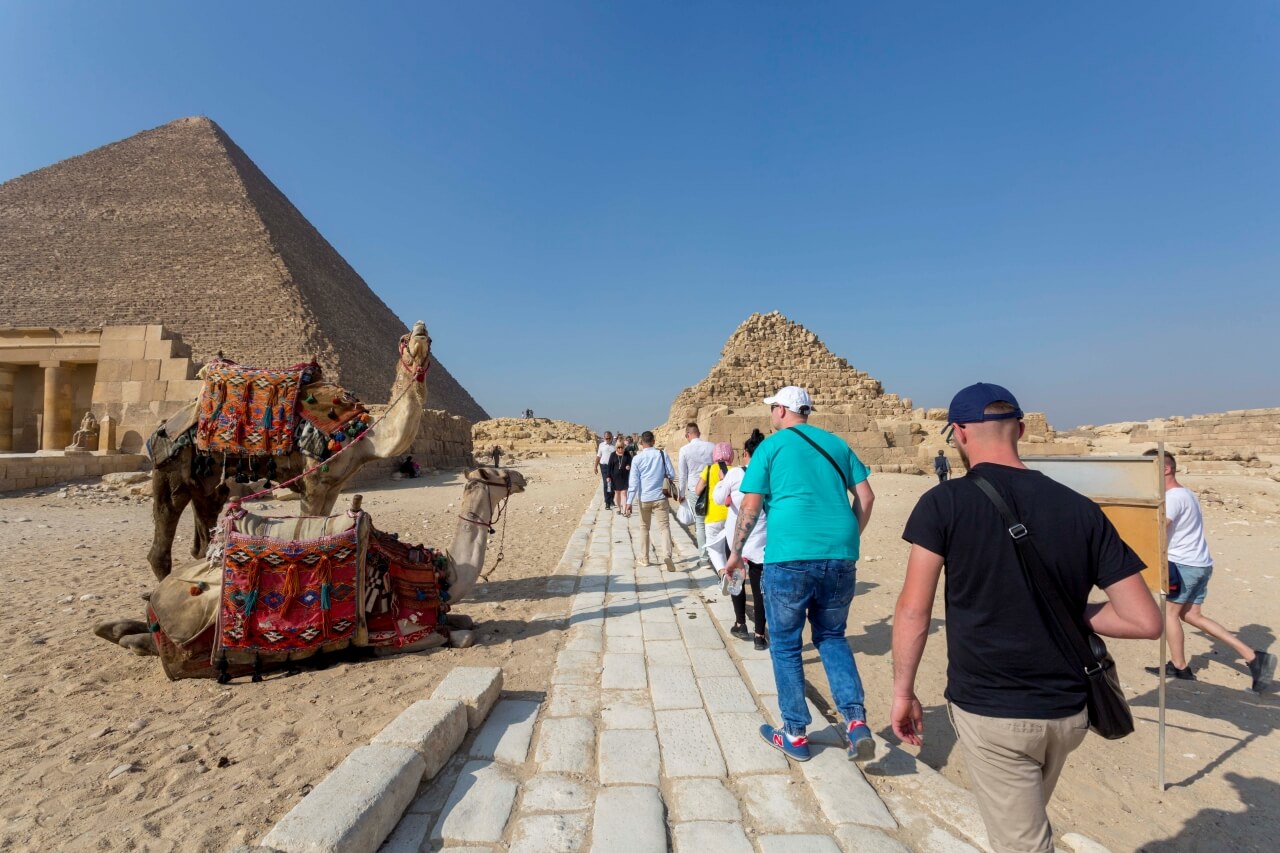
In Cairo, the most common issues tourists face are non-violent, practical matters rather than serious crime. Pickpocketing can occur in crowded places such as markets, busy streets, and public transport. Overcharging is common in taxis, bazaars, and souvenir areas, especially if prices aren’t agreed in advance. Unofficial guides may approach visitors near major tourist sites, offering “help” or stories in exchange for tips. Street harassment - mainly verbal comments or persistent attention - can also occur, particularly in busy neighborhoods.
These situations exist because Cairo is crowded, informal, and tourism-driven, not because it’s unsafe. Egyptian authorities actively manage tourist areas, and tourist police are present at major attractions to deter problems and assist visitors. Simple, practical safety measures - using licensed taxis or ride apps, keeping valuables secure, politely but firmly declining unwanted offers, and staying in well-known areas - greatly reduce the chance of issues and help keep experiences positive.
Common tourist scams (and how to handle them)
What it looks like: Someone approaches confidently and insists that a guide is required.
What to do: Smile, keep walking, and say: “No, thank you. We already have a guide.”
What it looks like: No meter, vague pricing, or “special tourist rate.”
What to do: Use Uber/Careem, or agree on a price before entering. If it feels off, don’t get in.
What it looks like: Unasked-for directions, photos, or assistance, followed by a request for cash.
What to do: Decline early and politely: “No thanks, I’m good.”
What it looks like: Repeated offers, walking alongside you, pushing souvenirs.
What to do: Don’t debate. A calm “La shukran” (No, thank you) and forward motion works best.
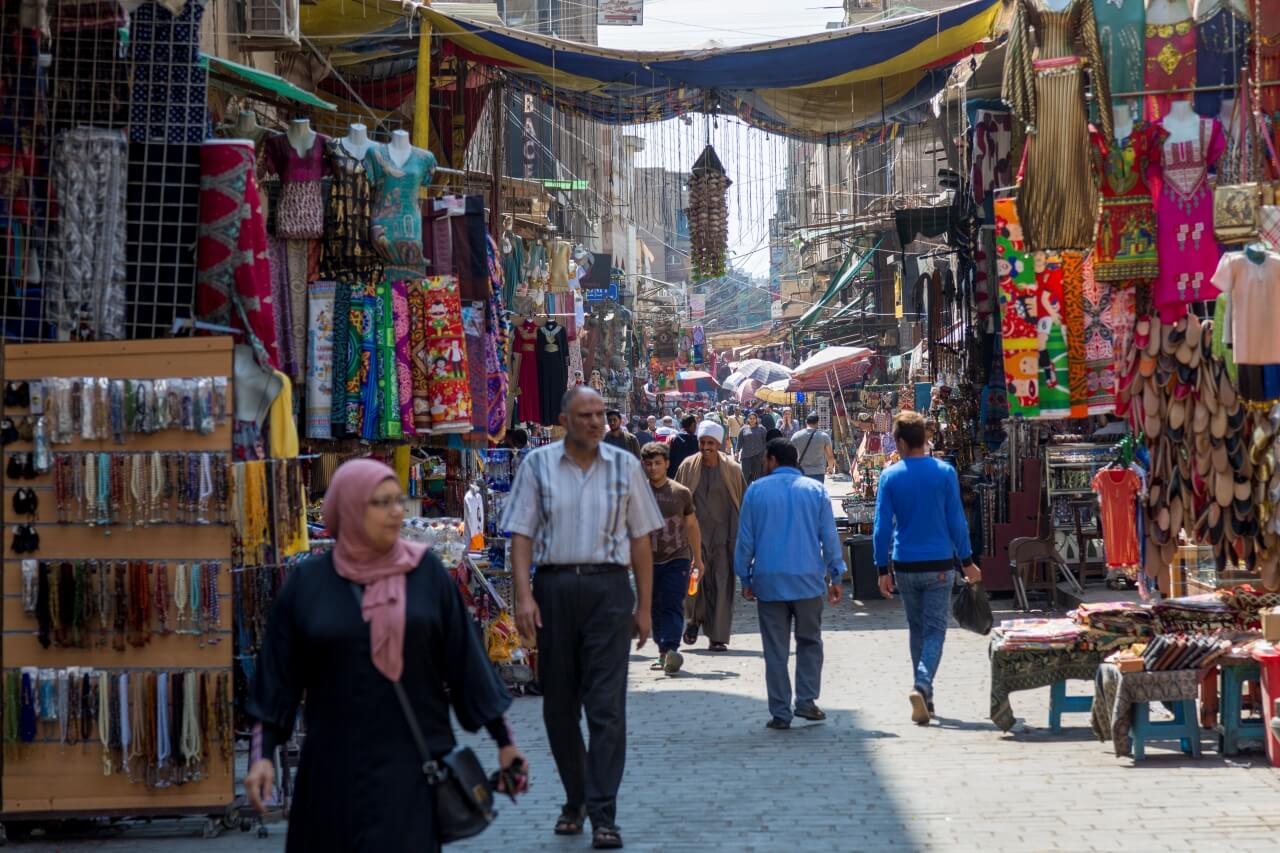
Most women visit Cairo without serious issues, but you may experience more comments or attention than you’re used to, especially in crowded areas.
What helps most:
If you’re visiting for the first time and want the easiest experience, traveling with a vetted local guide can dramatically reduce unwanted interactions and help you navigate confidently.
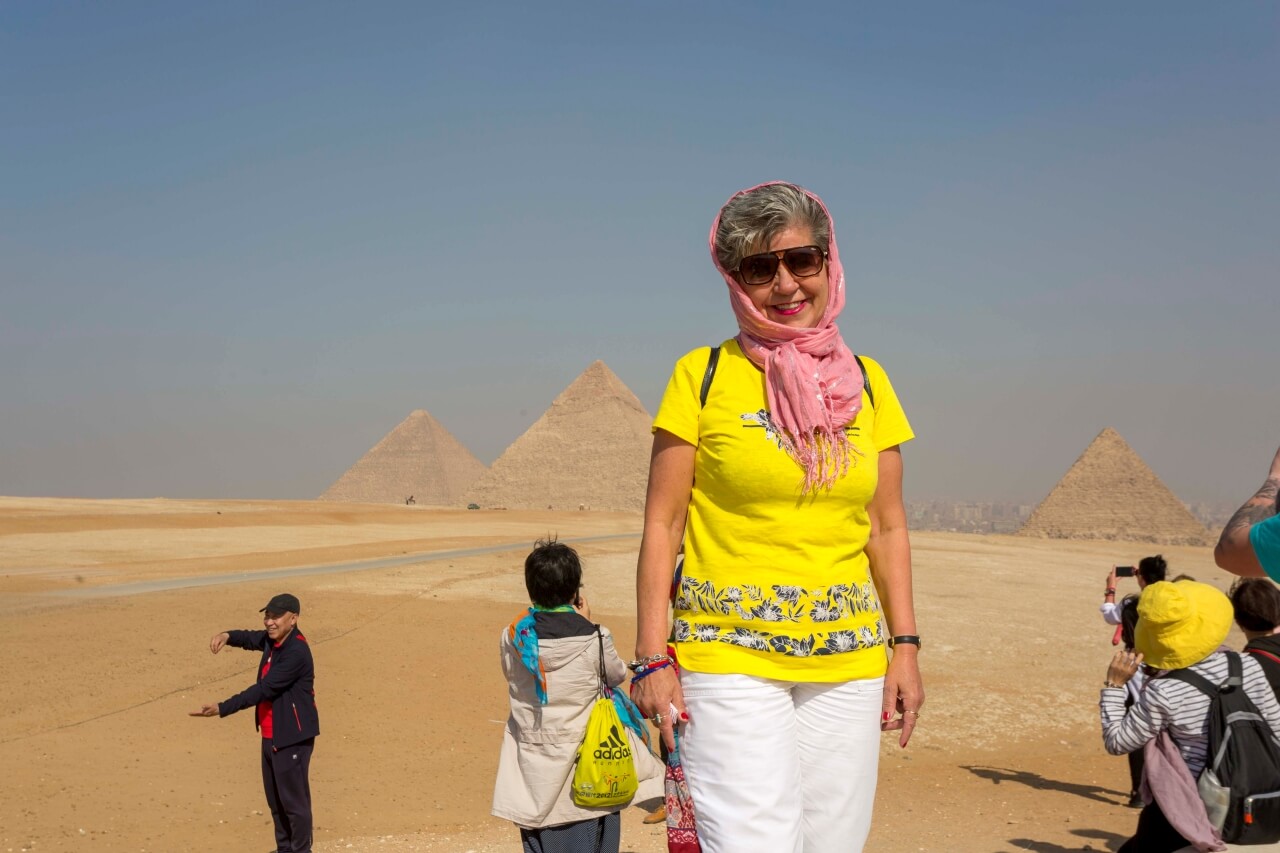
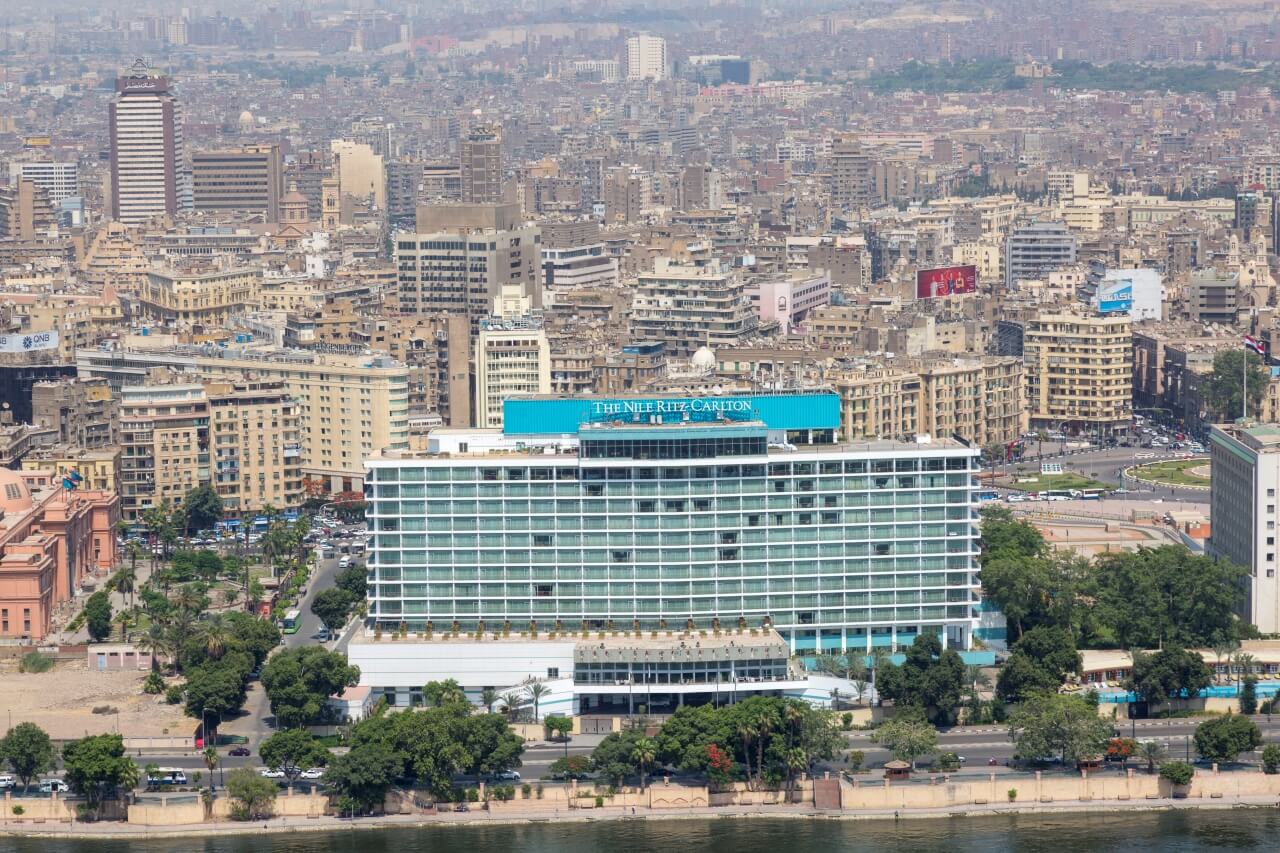
Safety in Cairo varies by neighborhood, and most tourists naturally stay in areas designed for visitors, which tend to feel noticeably safer. Districts such as Zamalek, Downtown Cairo, and Giza are popular because they offer good hotels, reliable transportation, walkable streets, and a visible police and tourist police presence. These areas also host embassies, international restaurants, and major attractions, which brings stronger infrastructure and routine security monitoring.
Tourist-focused neighborhoods feel safer not because problems never happen, but because issues are addressed quickly and visitors are expected. By contrast, outlying residential districts may lack clear signage, English-speaking services, or consistent transport, which can feel confusing rather than dangerous. For most travelers, staying in established tourist areas and exploring beyond them with a guide offers the best balance of safety, comfort, and cultural exposure.
Visitors to Cairo tend to cluster in a few well-established neighborhoods that offer reliable infrastructure, easy transport, and proximity to major sights.
Which area should you choose?
Most visitors choose these areas for comfort, services, and easy logistics, making sightseeing feel straightforward, even on a short stay. If you’d like, Inside Egypt can recommend the best base for your style and arrange seamless transfers and guided city tours.
For most visitors to Cairo, areas that require extra caution are outside normal tourist routes, not places travelers are likely to encounter by accident. Government advice typically highlights restricted border regions elsewhere in Egypt rather than central Cairo neighborhoods. Within the city, caution is mainly situational rather than location-based.
Extra awareness is sensible in very crowded local markets, poorly lit streets late at night, or unfamiliar residential districts far from main roads, especially if you don’t speak Arabic or have local guidance. These areas aren’t inherently dangerous, but they can be confusing and lack services tourists rely on, such as clear transport options or nearby assistance.
Travelers should also avoid political demonstrations or large, spontaneous gatherings, as they may draw a police response, even if peaceful. In practical terms, sticking to established areas, using known transport options, and exploring unfamiliar districts during the day keeps risks low without limiting meaningful experiences.
Transportation is often the biggest concern behind the question “Is Cairo safe for tourists?” not because of crime, but because of traffic and informal systems. Cairo experiences heavy congestion, aggressive driving, and loosely enforced traffic rules, which can be chaotic for visitors. Accidents are more likely than crime-related incidents.
Tourists don’t need to understand the entire system to move around safely. The simplest option is using ride-hailing apps like Uber or Careem, which offer fixed pricing, GPS tracking, and fewer language barriers. Hotel-arranged drivers and reputable tour transport are also reliable choices. The metro is safe and inexpensive, but it can be crowded and confusing during peak hours, especially for first-time visitors.
Avoid unmarked taxis, cross streets carefully, and allow extra travel time. With these practical choices, transportation becomes manageable rather than risky.
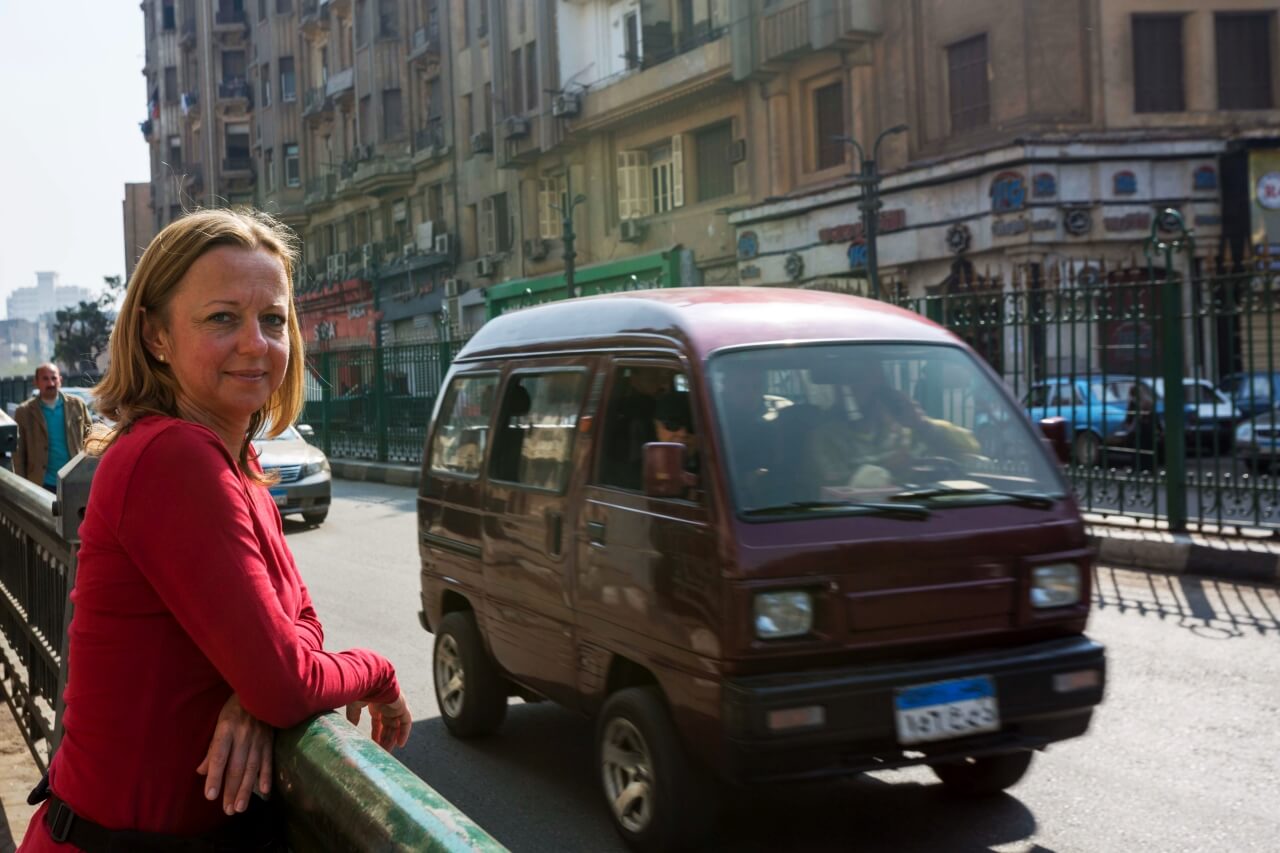
When asking “Is it safe to travel to Cairo?”, transportation choices matter more than most other daily decisions. In Cairo, ride-hailing apps like Uber and Careem are often the simplest and most reliable option for tourists. They offer upfront pricing, GPS tracking, driver details, and cashless payment, reducing common issues such as overcharging and or route disputes.
Hotel-arranged private drivers are another excellent choice, especially for airport transfers or full-day sightseeing. They’re comfortable and dependable, though typically more expensive and less flexible for short, spontaneous trips.
Street taxis are the least recommended option for visitors. Many don’t use meters, prices are often negotiated, and language barriers can add confusion or frustration. They’re not usually dangerous, but they can be unpredictable.
For most travelers, the simple recommendation is to use Uber or Careem for everyday travel, and prearranged drivers for longer or time-sensitive journeys. This approach minimizes stress and maximizes comfort.
Arriving at Cairo Airport: a simple checklist
Inside Egypt guests receive VIP meet-and-greet service plus private airport transfers on arrival and departure - no bargaining, no confusion, and a seamless start and finish to your trip to Egypt.
Organized group tours reduce much of the uncertainty about navigating Cairo safely. With Inside Egypt, transportation is handled end-to-end, so you don’t need to navigate traffic, negotiate prices, or evaluate drivers on your own. We use licensed, air-conditioned vehicles and experienced local drivers who know the main tourist routes, current road conditions, and the smoothest routes between sites.
We also plan schedules and routes to reduce hassle around busy attractions and airports and keep your day running efficiently. With a dedicated driver (and guide when included), you always have support if plans change or delays happen, so your focus stays on enjoying Egypt, not logistics. Explore our transportation options.
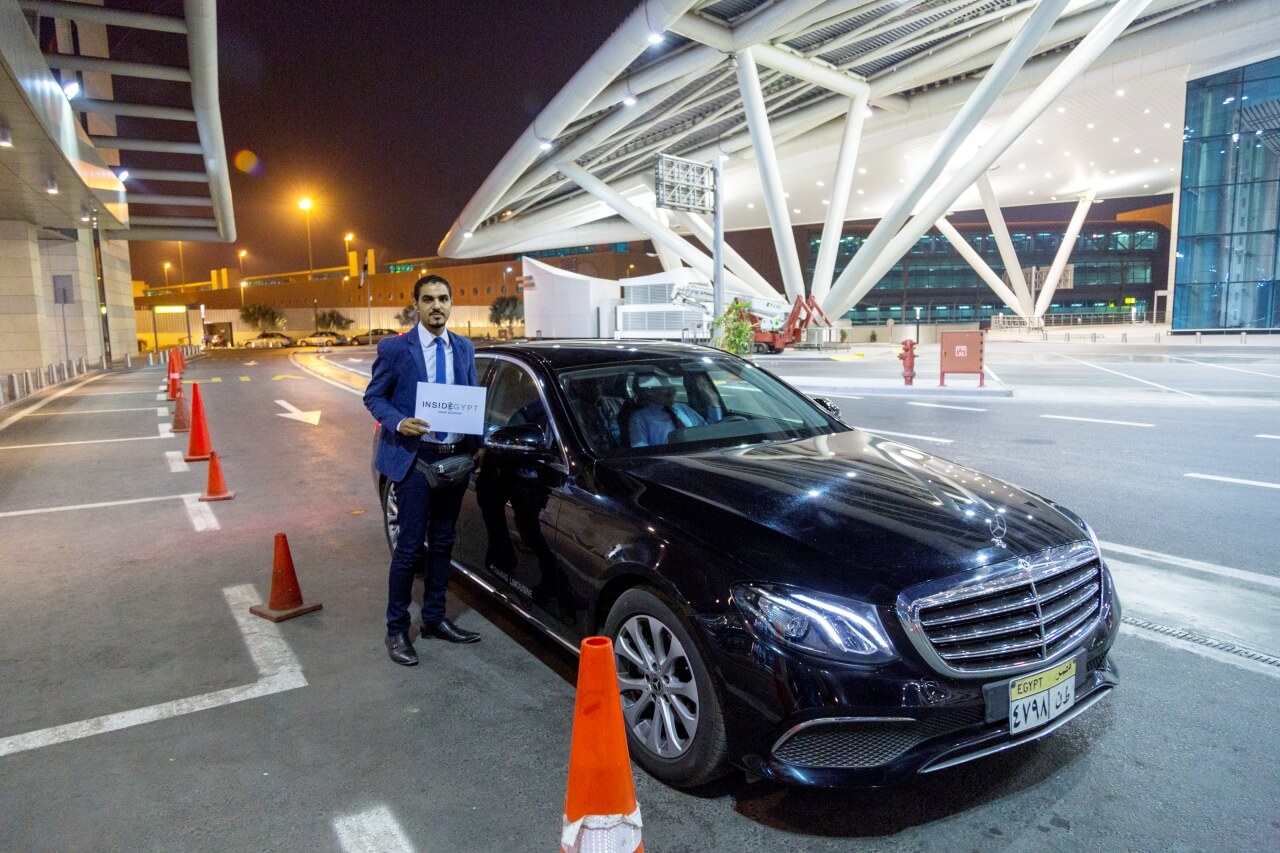
Here’s a practical, low-stress safety checklist for visiting Cairo,focused on comfort as much as security and aligned with common Egypt travel safety guidelines:
These simple habits reduce friction, anxiety, and minor hassles, making first-time visits smoother and more enjoyable.
In lively areas with door-to-door transport, yes. Avoid quiet streets and long walks late at night.
It’s one of the simplest options for visitors. Always confirm license plate and driver details in the app.
Yes, go early, consider a guide, and avoid engaging with aggressive vendors.
Wear what’s comfortable, but many visitors prefer modest-casual outfits in busy areas to reduce attention.
Not mandatory, but a vetted guide can improve safety, reduce hassle, and make the experience far more enriching.
For official tourist complaints or support, you can contact the Ministry of Tourism and Antiquities hotline (19654) or email call_centre@tourism.gov.eg. These channels are designed to help tourists resolve issues during their stay.
As a proud member of the Egyptian Travel Agents Association (ETAA), Inside Egypt prioritizes guest well-being and responsible travel standards. When you travel with Inside Egypt, you’re not navigating these situations alone. Our team can assist with transportation, local coordination, and practical support while you’re in Cairo.
When travelers ask, “Is Cairo safe for tourists?”, they’re usually weighing risk against reward. In practical terms, Cairo carries risks similar to many major global cities - traffic, petty scams, and occasional harassment - rather than constant danger. There is no travel ban for Cairo, and most governments describe it as a generally safe tourist destination while advising visitors to exercise a high degree of caution, language that reflects preparedness, not fear.
What sets Cairo apart is the payoff. Few cities offer this concentration of ancient history, living culture, and everyday authenticity in one place. The Pyramids, museums, mosques, markets, and Nile life deliver experiences that simply aren’t replicable elsewhere. For travelers who take sensible precautions and plan thoughtfully, Cairo is not just worth visiting - it’s often one of the most memorable destinations they’ll ever experience.
So, is Cairo safe for tourists? Yes, Cairo is generally safe for informed travelers who take standard, common-sense precautions. The vast majority of visits are smooth and incident-free, especially in established tourist areas where security and services are strong. Risks exist, but they are largely the same as in other major global cities: traffic, minor scams, and occasional harassment rather than serious or targeted violence.
For travelers who plan ahead, stay alert, use trusted transportation, and respect local norms, Cairo does not pose unusual danger. Safety concerns should be viewed realistically, not emotionally. When approached with preparation rather than fear, Cairo remains a rewarding and accessible destination, one where history, culture, and daily life far outweigh the manageable risks.
Want the easiest, most confident way to experience Cairo?
Inside Egypt specializes in luxury travel with private drivers, vetted expert guides, and carefully planned itineraries, so you can focus on history, culture, and unforgettable moments, rather than logistics or negotiation.
Tell us your travel dates and style, and we’ll recommend the best neighborhoods to stay in, plan your days, and handle airport transfers, sightseeing, and dining reservations seamlessly.
Ready to plan? Reach us at contact@inside-egypt.com or +1 929-224-5100.
