Inside Egypt Journal
Weekly stories, discoveries and priority access to extraordinary journeys.
A major archaeological discovery in Egypt has shed new light on one of the most enigmatic religious traditions of the Old Kingdom. An Italian archaeological mission working in the Abu Ghurab area of Abusir has uncovered the Valley Temple belonging to the sun complex of King Niuserre, ruler of Egypt’s Fifth Dynasty (c. 2455–2420 BCE).
This discovery is particularly significant because it represents only the second known sun temple ever identified in ancient Egypt, offering rare insight into royal solar cults and temple architecture during a transformative period in Egyptian history.
The excavation is being carried out by a joint Italian mission co-directed by Dr. Massimiliano Nuzzolo and Dr. Rosanna Pirelli from the Universities of Turin and Naples. More than a century ago, German Egyptologist Ludwig Borchardt identified the probable location of this temple in 1901, but excavation was impossible at the time due to extremely high groundwater levels.
For the first time, archaeologists have now successfully uncovered more than half of the temple, revealing a massive structure exceeding 1,000 square meters in area. Its scale and layout make it one of the most prominent Valley Temples within the Memphis necropolis.
According to Dr. Mohamed Ismail Khaled, Secretary-General of Egypt’s Supreme Council of Antiquities, the discovery represents a milestone in the study of Fifth Dynasty religious architecture.

Excavations uncovered the main entrance of the temple, which had been buried beneath approximately 1.20 meters of Nile silt. Archaeologists identified the original stone floor of the entrance, along with a limestone column base and the remains of a circular granite column. These elements likely formed part of a monumental portico that marked the transition from the profane world into a sacred space dedicated to the solar cult.
Beyond the entrance, parts of the corridor connecting the gateway to the causeway were revealed. Sections of the original stone casing of the walls were found in situ, along with granite lintels and doorways. This corridor would have played a central role in ritual processions linking the Valley Temple to the upper elements of the sun complex.
One of the most striking architectural discoveries is a ramp believed to have connected the temple directly to the Nile or one of its ancient branches. This feature highlights the symbolic and practical importance of the river in solar cult rituals and reinforces the close relationship between royal ideology, sacred architecture, and Egypt’s natural landscape.
Archaeologists also uncovered the remains of an internal staircase leading to the roof, located in the northwest section of the temple. This feature suggests the existence of a secondary entrance, a characteristic known from other Fifth Dynasty temple complexes, such as the Valley Temple associated with King Sahure’s pyramid at Abusir.
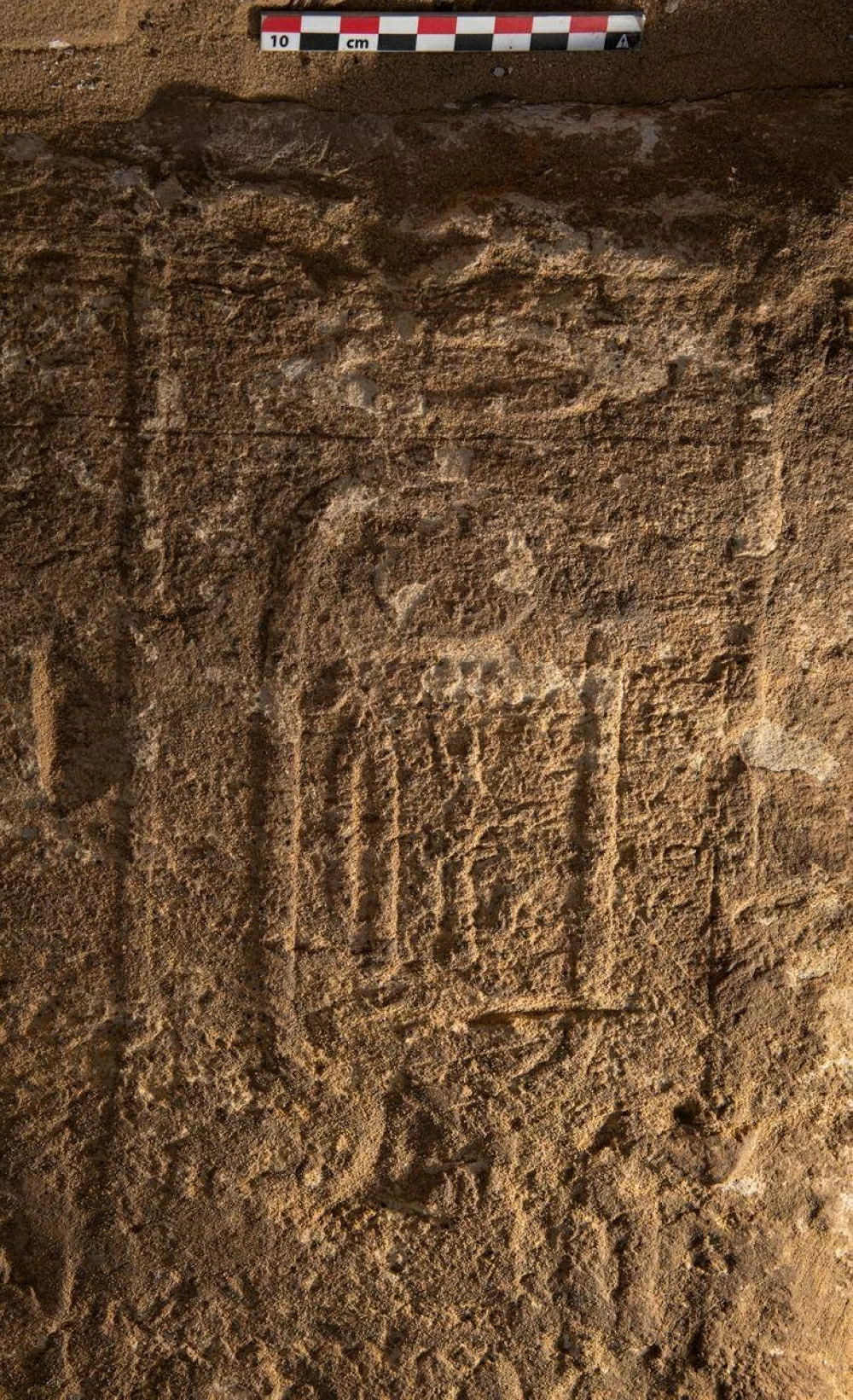
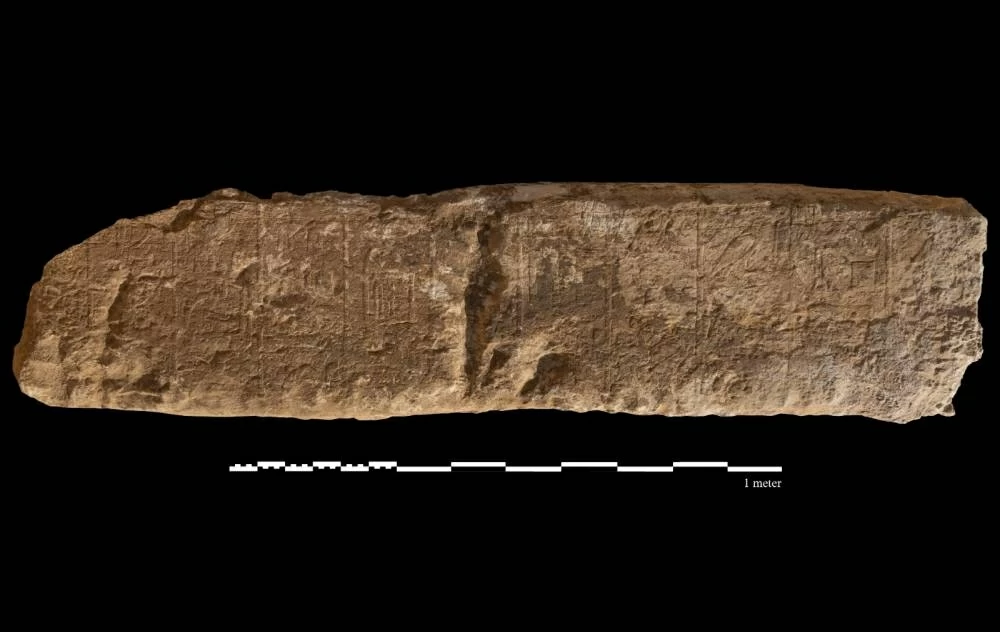
Among the most important finds is a massive stone lintel inscribed with hieroglyphic texts that include a calendar of religious festivals associated with the temple, along with repeated mentions of King Niuserre’s name.
These inscriptions provide rare documentation of ritual cycles within a sun temple and help scholars reconstruct how royal solar worship was organized throughout the year.
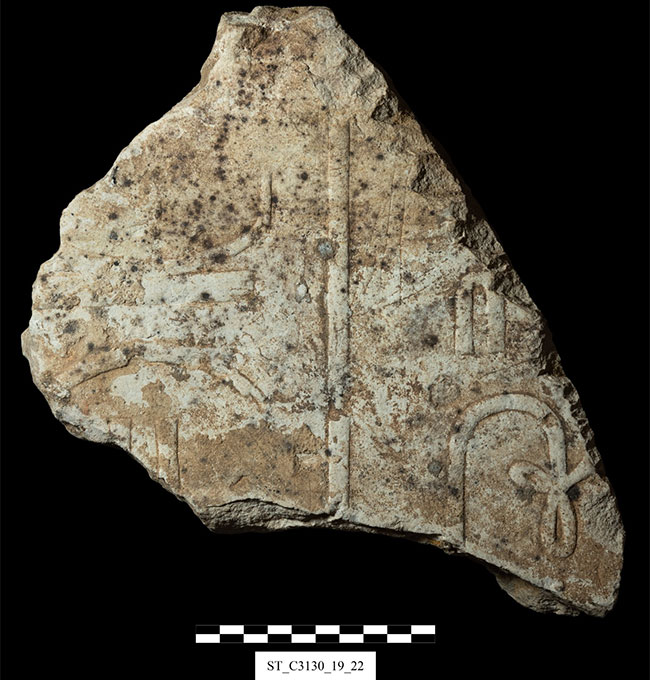
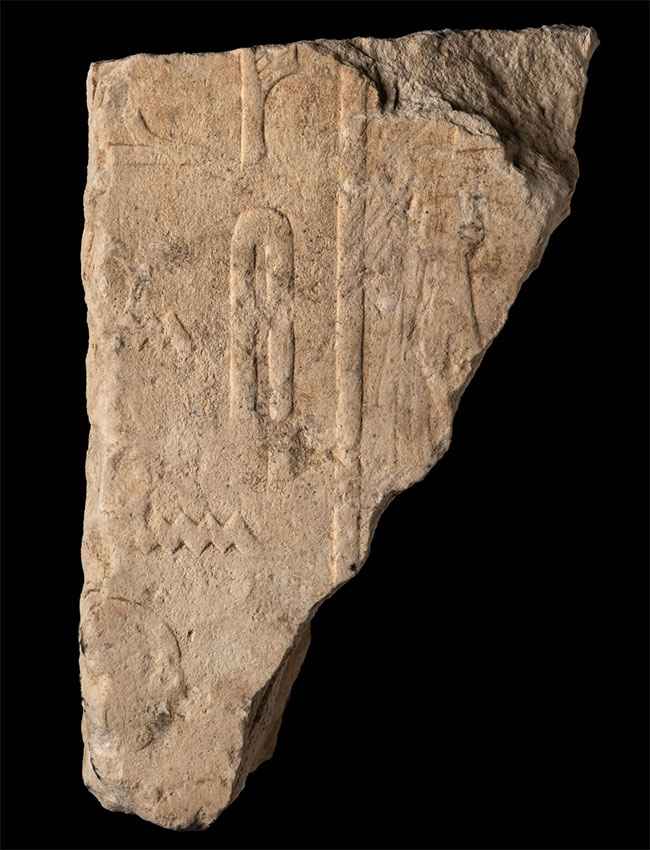
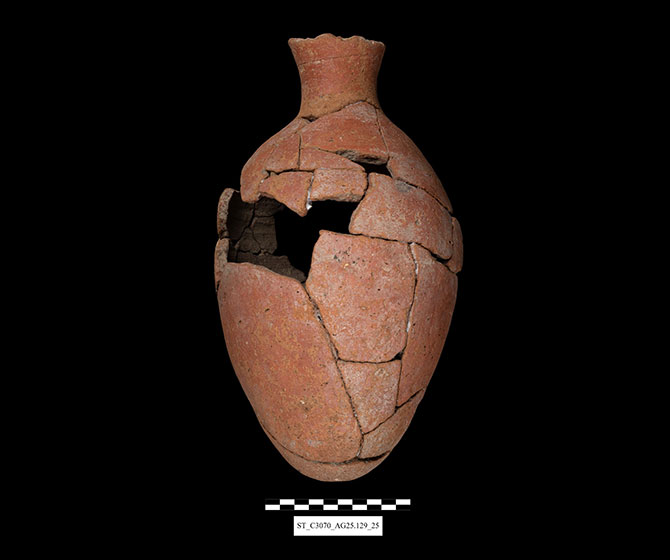
The mission also uncovered inscribed limestone fragments and a substantial quantity of pottery spanning multiple periods - from the late Old Kingdom through the early Middle Kingdom, with a strong concentration from the First Intermediate Period.
Preliminary studies suggest that after the decline of royal solar worship, the temple complex was repurposed as a small residential area during the First Intermediate Period. Local communities adapted the monumental architecture for daily use, offering valuable evidence for understanding life in the Memphis region during this poorly documented era.
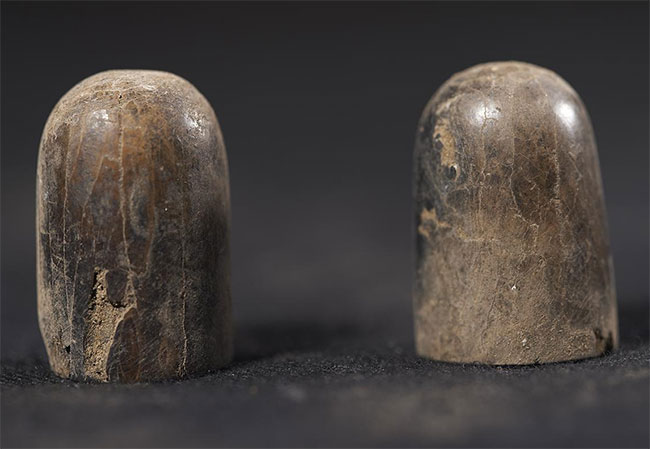
Among the artifacts discovered were two wooden pieces from the ancient Egyptian board game Senet. Often associated with both leisure and beliefs about the afterlife, these objects provide a rare glimpse into the everyday activities of the people who later inhabited the abandoned temple complex.
The Valley Temple of King Niuserre offers an unprecedented opportunity to study the architectural planning, ritual practices, and symbolic landscape of Fifth Dynasty sun temples. Its scale and state of preservation significantly enhance our understanding of royal solar cults during the Old Kingdom.
Equally important is the evidence for the reuse of sacred architecture. The transformation of a royal cult center into a residential space illustrates how ancient Egyptians adapted monumental structures to changing political, economic, and social realities over time.
This groundbreaking discovery reinforces how much remains hidden beneath Egypt’s ancient landscapes. Each new excavation not only adds architectural details but deepens our understanding of how religion, power, and daily life intersected in ancient Egyptian civilization.
At Inside Egypt, discoveries like this form the foundation of how we interpret and present Egypt’s heritage - through informed scholarship, careful context, and a deep respect for the stories still waiting to be uncovered.