
Inside Egypt Journal
Weekly stories, discoveries and priority access to extraordinary journeys.
If you're wondering "where are the pyramids in Egypt?", the answer is both simple and far more fascinating than most travelers expect. The most iconic pyramids in Egypt are found on the west bank of the Nile near Cairo - specifically in Giza, Saqqara, and Dahshur.
But understanding where the pyramids are located is only part of the story. What truly transforms a visit is how you experience it, whether you see them as distant monuments, or as part of a deeper, expertly guided journey through Egypt’s ancient world.
These sites form part of the ancient Memphis necropolis, home to Egypt’s most important royal burial pyramids and some of the most extraordinary ancient monuments ever built.
For those seeking a clear and immediate answer, the pyramids in Egypt are primarily located on the West Bank of the Nile near Cairo, in three main areas: Giza, Saqqara, and Dahshur. These sites form part of the ancient Memphis necropolis and contain the most significant royal burial pyramids in Egypt.
Many travelers assume pyramids are scattered across Egypt, but in reality, most Egyptian pyramid sites are concentrated in a defined archaeological corridor south of Cairo. This is where the question "where are the pyramids in Egypt" becomes more nuanced, revealing a concentrated landscape rather than isolated sites.
The main pyramid fields include five key locations:
This geographic concentration makes it possible not only to understand where to see pyramids in Egypt, but to experience their evolution, from early experimentation to architectural refinement - in a single, well-designed journey.
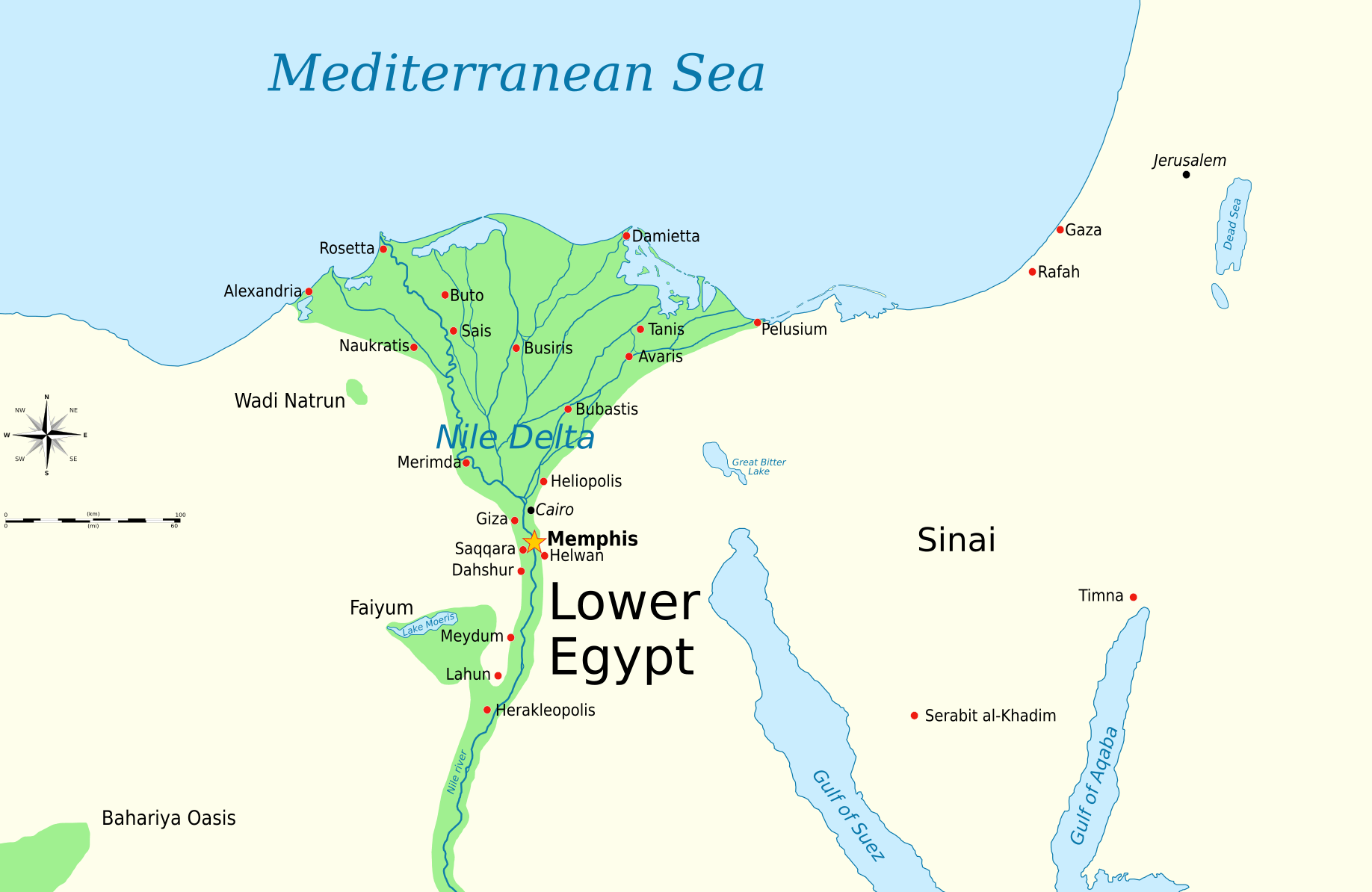
Most pyramids in Egypt were built on the west bank of the Nile, symbolizing the setting sun and the transition to the afterlife.
Today, this alignment creates a powerful visual and emotional experience, especially when visiting at the right time of day, when the light softens and the landscape feels almost unchanged from antiquity.
The Memphis necropolis was the main royal burial area of ancient Egypt, stretching from Giza to Dahshur.
Rather than isolated landmarks, these sites form a connected sacred landscape, one that becomes significantly more meaningful when explored with context, storytelling, and expert guidance.
Most major pyramids lie within 20–40 kilometers (12–25 miles) of Cairo.
This proximity allows for curated itineraries that combine multiple pyramids in Egypt locations in a seamless and enriching way, while preserving the depth and individuality of each site.
The majority of pyramids were built during the Old Kingdom (c. 2686–2181 BCE), when pharaohs constructed monumental tombs near the capital.
This era produced the most iconic pyramids, including those of rulers Khufu, Khafre, and Menkaure, structures that continue to define global perceptions of Egypt today.
The most famous pyramids in Egypt are located at the Giza Plateau. While the site is best known for its three monumental pyramids: Khufu, Khafre, and Menkaure, it actually includes several smaller pyramids as well, such as the queens’ pyramids and subsidiary structures. Altogether, the Giza complex contains multiple pyramids that have stood for over 4,500 years. For many travelers asking where the pyramids in Egypt are, Giza is often the starting point, but it is only part of a much larger story.
For a scientific perspective on the Giza complex, see this analysis from the NASA Earth Observatory.
Yet what many visitors don’t expect is how much deeper the experience becomes with the right perspective, standing not just in front of the pyramids, but understanding the stories, engineering, and symbolism behind them.
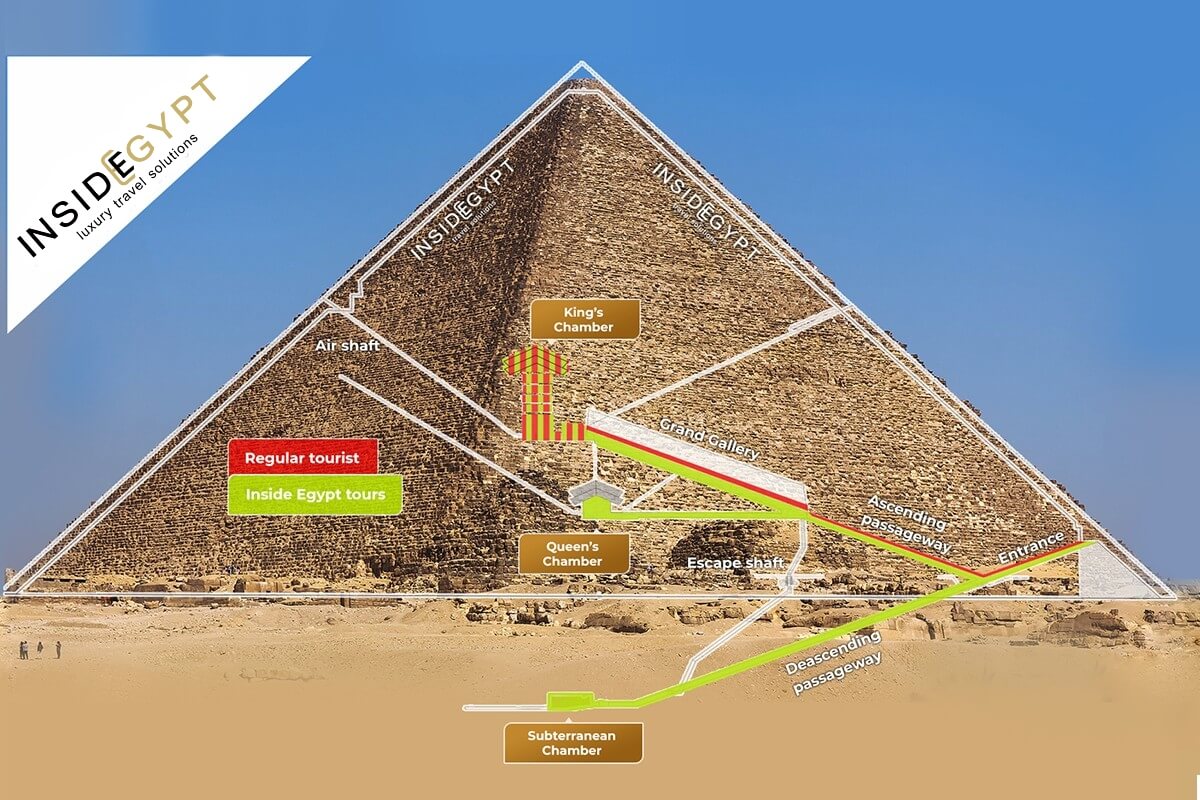
The Great Pyramid of Khufu is the largest pyramid in Egypt and one of the most remarkable achievements in human history.
But beyond its scale, what makes it truly unforgettable is the precision and intention behind its construction, something that becomes far more tangible when explored with an expert who can reveal how and why it was built.
With Inside Egypt, this may include private exploration of additional chambers, offering a far more intimate and immersive perspective inside one of the world’s most iconic monuments.
The second pyramid at Giza appears taller due to its elevated position. It is closely connected to the Great Sphinx, forming part of a larger ceremonial complex.
Seen in context, this is not simply a monument, but a carefully designed royal landscape.
Smaller than the others, the Pyramid of Menkaure offers a different perspective - less crowded, more intimate, and often overlooked by standard itineraries.
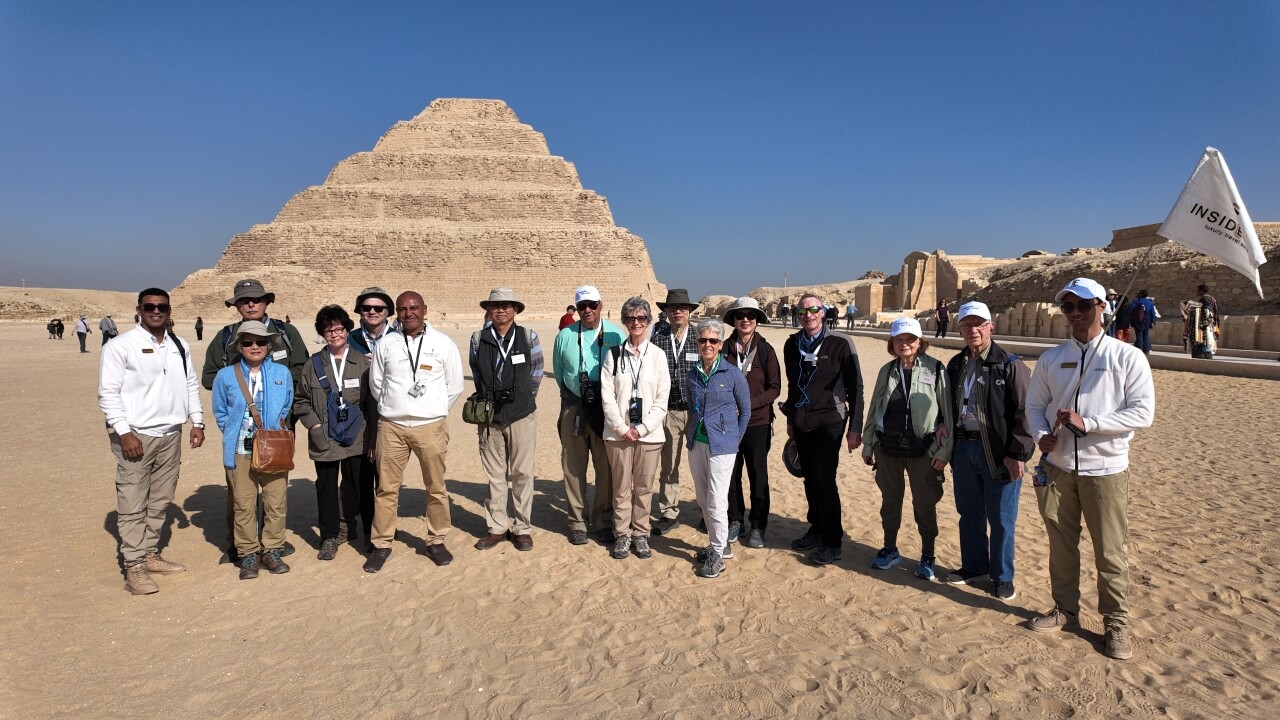
The Saqqara pyramids' location is not defined by a single monument, but by a vast archaeological landscape that extends across the desert south of Cairo. While the Step Pyramid of Djoser is its most iconic feature, Saqqara is also home to several other royal pyramids, including those of Unas, Teti, and later Old Kingdom rulers. These monuments, though less imposing at first glance, hold remarkable historical significance, some preserving the earliest known pyramid texts, offering rare insight into ancient Egyptian beliefs about the afterlife.
Together, these structures form one of Egypt’s most important pyramid fields, revealing the scale and continuity of royal burial traditions beyond the more famous sites.
The Step Pyramid is the earliest pyramid in Egypt and represents a turning point in architecture.
Designed by Imhotep, it transformed simple tombs into monumental structures, laying the foundation for everything that followed.
For additional academic insight into early pyramid development, refer to research available through the National Institutes of Health.
Today, Saqqara often becomes one of the most rewarding sites for travelers seeking a deeper, more layered understanding of ancient Egypt.
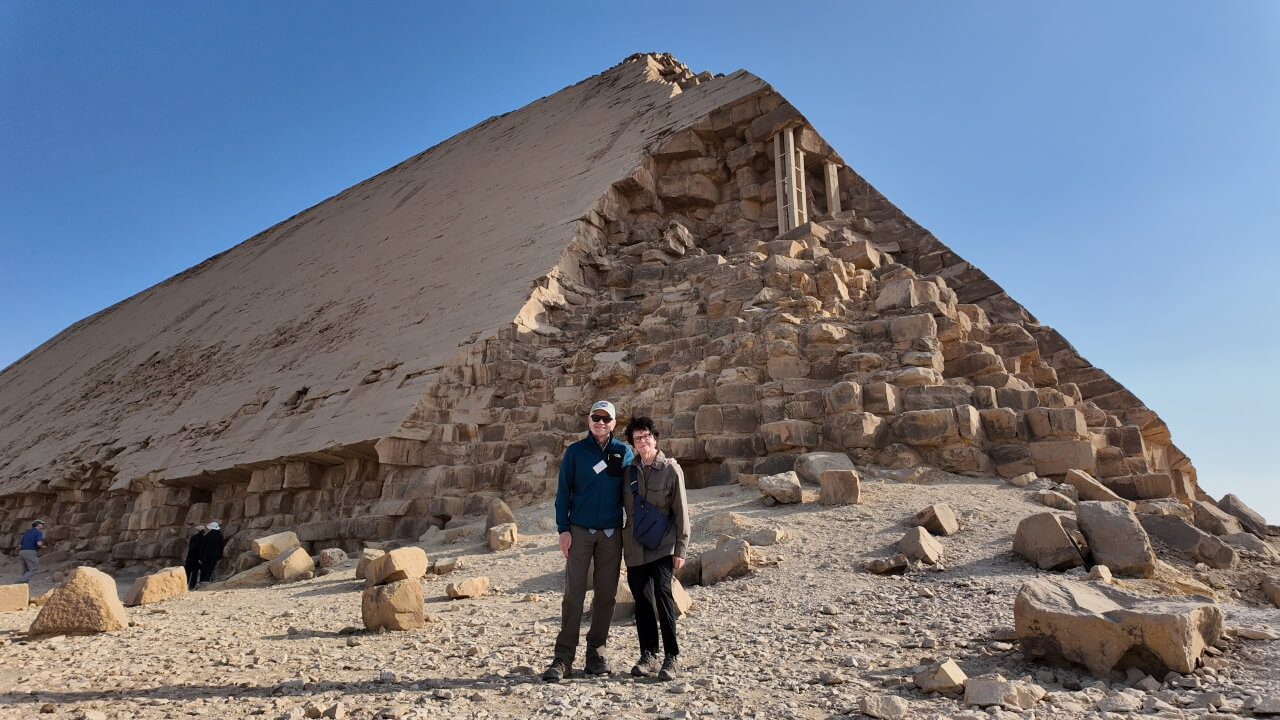
Dahshur contains two of the most important early pyramids in Egypt. The Dahshur pyramids' location offers a quieter, more atmospheric experience.
The Bent Pyramid is known for its distinctive shape, reflecting an early attempt to perfect pyramid design.
It is also one of the rare pyramids where visitors can enter the interior, an experience that adds a physical, immersive dimension to understanding ancient construction.
The Red Pyramid is the first true smooth-sided pyramid and a direct precursor to the pyramids at Giza.
Climbing inside, you gain a physical sense of scale, structure, and engineering - something that cannot be fully appreciated from the outside alone.
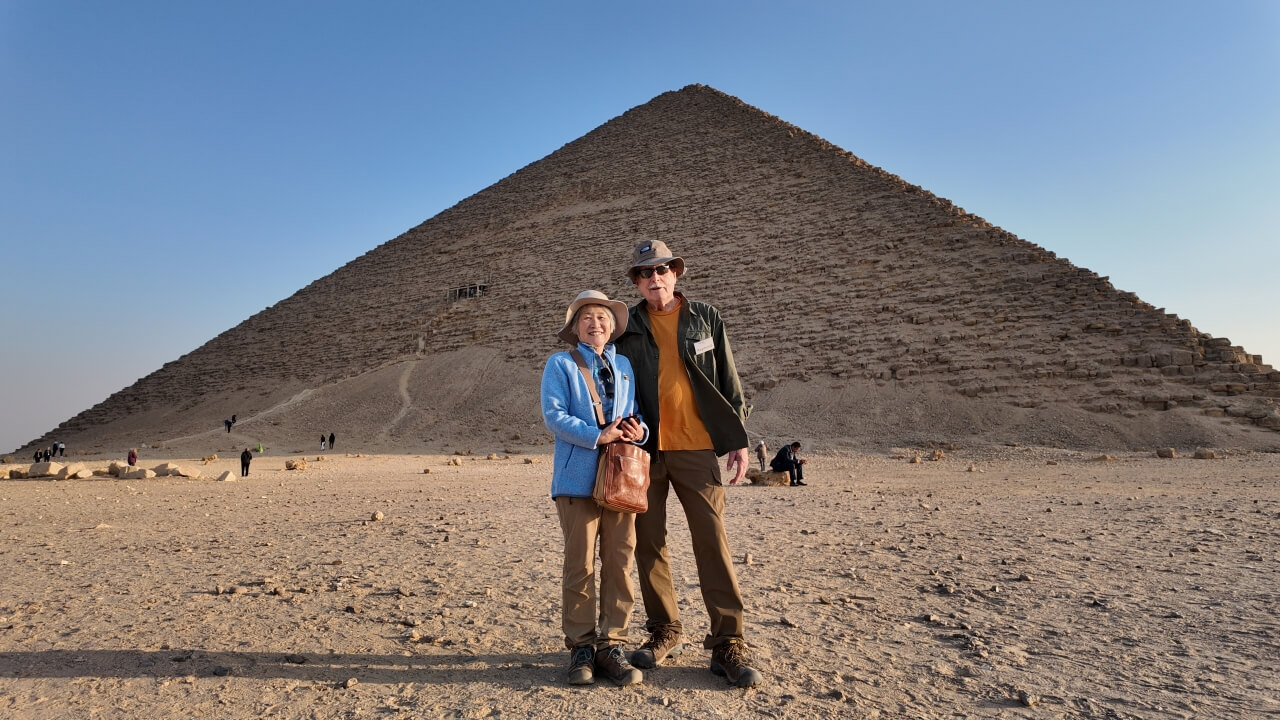
Beyond the main locations, many travelers begin to ask which pyramids they can visit in Egypt, especially if they are seeking quieter, more immersive experiences.
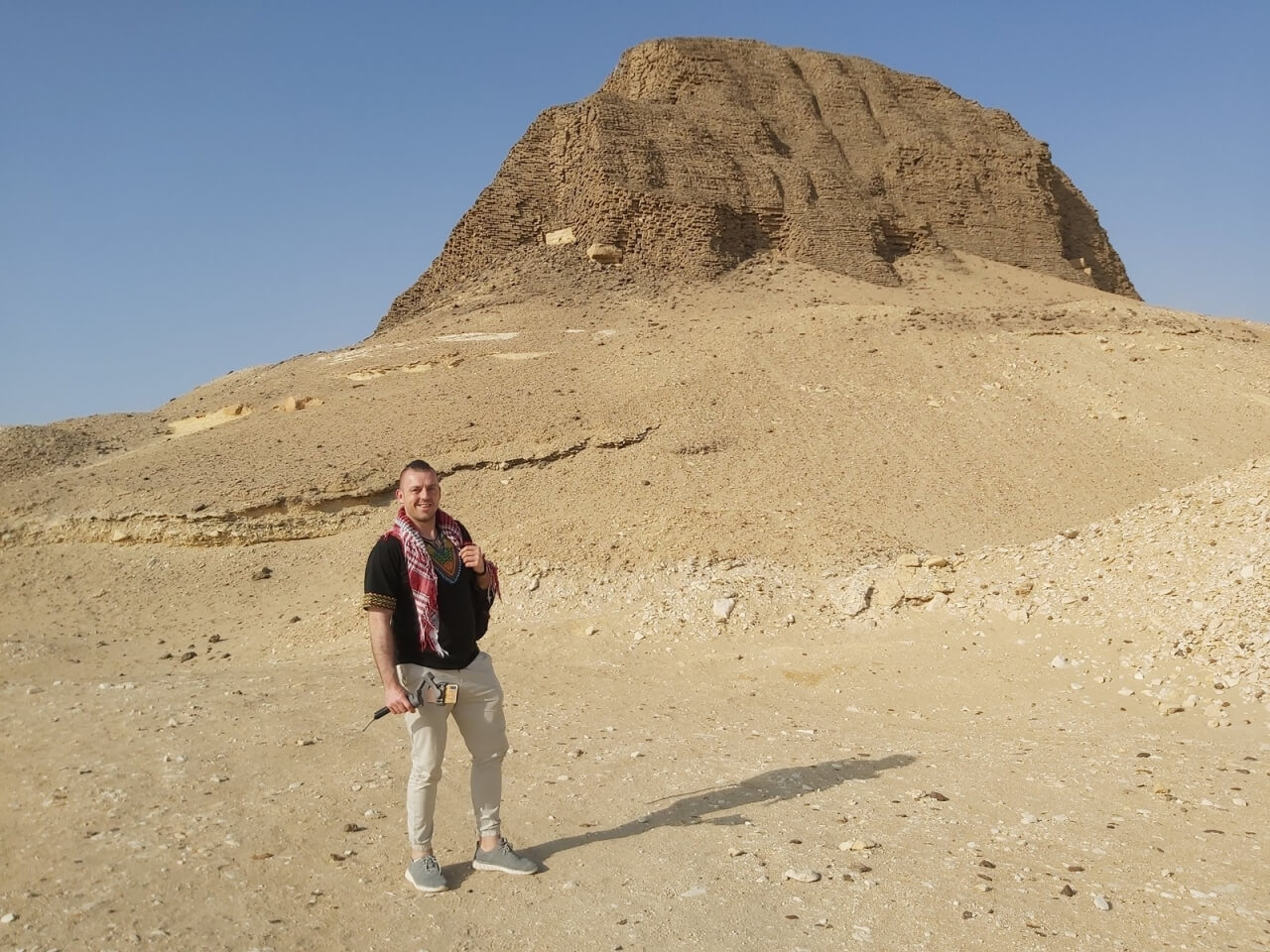
Located near the Fayoum oasis, the pyramid of Senusret II reflects later developments in Egyptian architecture and expansion beyond the Memphis region.
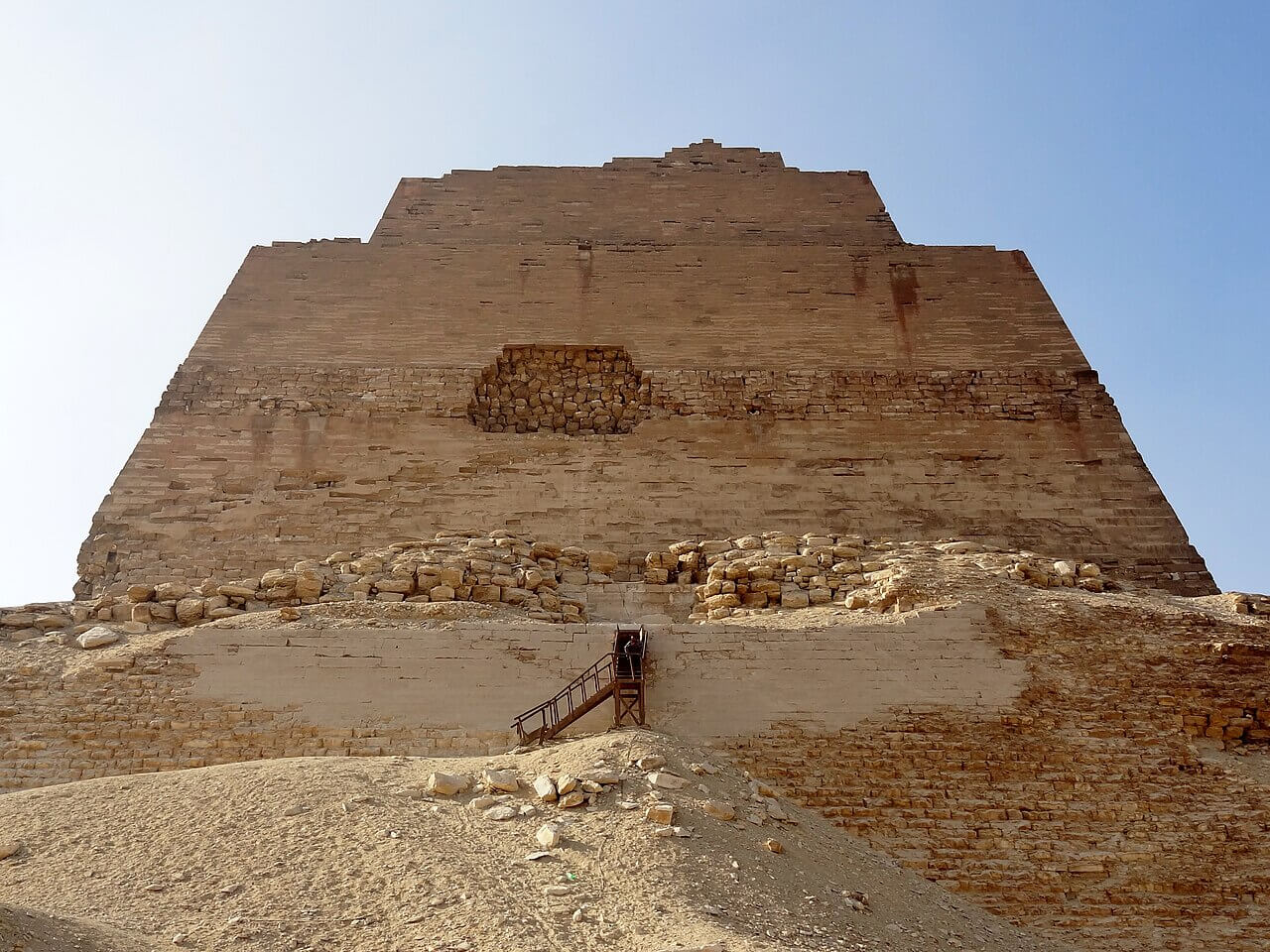
The Meidum Pyramid, located about 100 kilometers south of Cairo, represents one of Egypt’s earliest true pyramid experiments and an important transitional design.
There are three main reasons why pyramids were concentrated near the Nile:
For those wondering "how many pyramids are in Egypt", more than 100 have been identified across the country. Together, they form one of the most remarkable collections of royal burial pyramids and ancient monuments in the world.
For more facts about Egyptian pyramids, see this overview by the National Geographic Society.
Once you understand where are the pyramids in Egypt, the next step is discovering how to experience them in a way that goes beyond the surface. Most visitors see the pyramids on tours covering Giza, Saqqara, and Dahshur. But the difference between simply visiting and truly understanding these sites comes down to how the experience is designed.
A thoughtfully curated journey allows you to experience Egypt in a way that few travelers ever do:
With Inside Egypt, this means traveling in small groups of no more than 16, with access to expert guides who bring each location to life, not through generic facts, but through storytelling, context, and perspective.
It also means seeing Egypt differently:
not just checking landmarks off a list, but experiencing them in a way that feels intentional, immersive, and deeply personal.
For travelers seeking deeper access and perspective, a curated journey makes all the difference, such as those offered by Inside Egypt. For those who value depth, access, and perspective, this is not simply a way to see the pyramids - it is a fundamentally different way to experience Egypt - one defined by rare access and a deeper level of understanding.
So, "where are the pyramids in Egypt"? They are concentrated in a historic corridor near Cairo, but their true significance goes far beyond geography.
From the iconic Giza Plateau to the quieter expanses of Saqqara and Dahshur, these pyramids in Egypt locations reveal a continuous story of innovation, belief, and legacy.
And when experienced with the right perspective, they become more than sites you visit, they become part of a journey that stays with you long after you leave Egypt. The difference lies not only in where you go, but in how you choose to experience it.
Below are answers to some of the most common questions travelers ask when planning a visit.
Where are the pyramids in Egypt located?
The majority of pyramids are located near Cairo, primarily in Giza, Saqqara, and Dahshur.
How many pyramids are in Egypt?
There are over 100 pyramids identified across Egypt.
Which pyramids can you visit in Egypt?
Visitors can explore several pyramids, including those in Giza, Saqqara, and Dahshur, with some offering interior access.
