Inside Egypt Journal
Weekly stories, discoveries and priority access to extraordinary journeys.
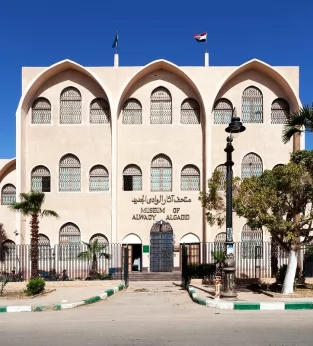
The Crocodile Museum at Kom Ombo is an archaeological museum dedicated to the ancient worship of Sobek, located directly beside the Kom Ombo Temple on the west bank of the Nile in Upper Egypt. This small but fascinating museum focuses on the ancient worship of Sobek, the crocodile god associated with strength, fertility, and protection. Inside, visitors can see dozens of remarkably preserved mummified crocodiles discovered in nearby tombs, along with statues, reliefs, and artifacts related to Sobek’s cult. For travelers interested in ancient Egyptian beliefs, the Crocodile Museum in Kom Ombo offers a rare opportunity to see how animals were connected to religion and temple life in ancient times.
When travelers visit the Crocodile Museum Kom Ombo, they gain a deeper understanding of the unique religious traditions that developed along the Nile. The displays reveal how crocodiles were carefully mummified and honored as sacred animals linked to the god Sobek. Many visitors who tour the Crocodile Museum Kom Ombo are surprised by how much these artifacts reveal about daily life, spiritual beliefs, and the relationship between people and the natural environment in ancient Egypt. Located right next to the temple complex, the museum adds an intriguing and memorable dimension to a visit to Kom Ombo.
Join us to see for yourself! Book your luxury Egypt tour!
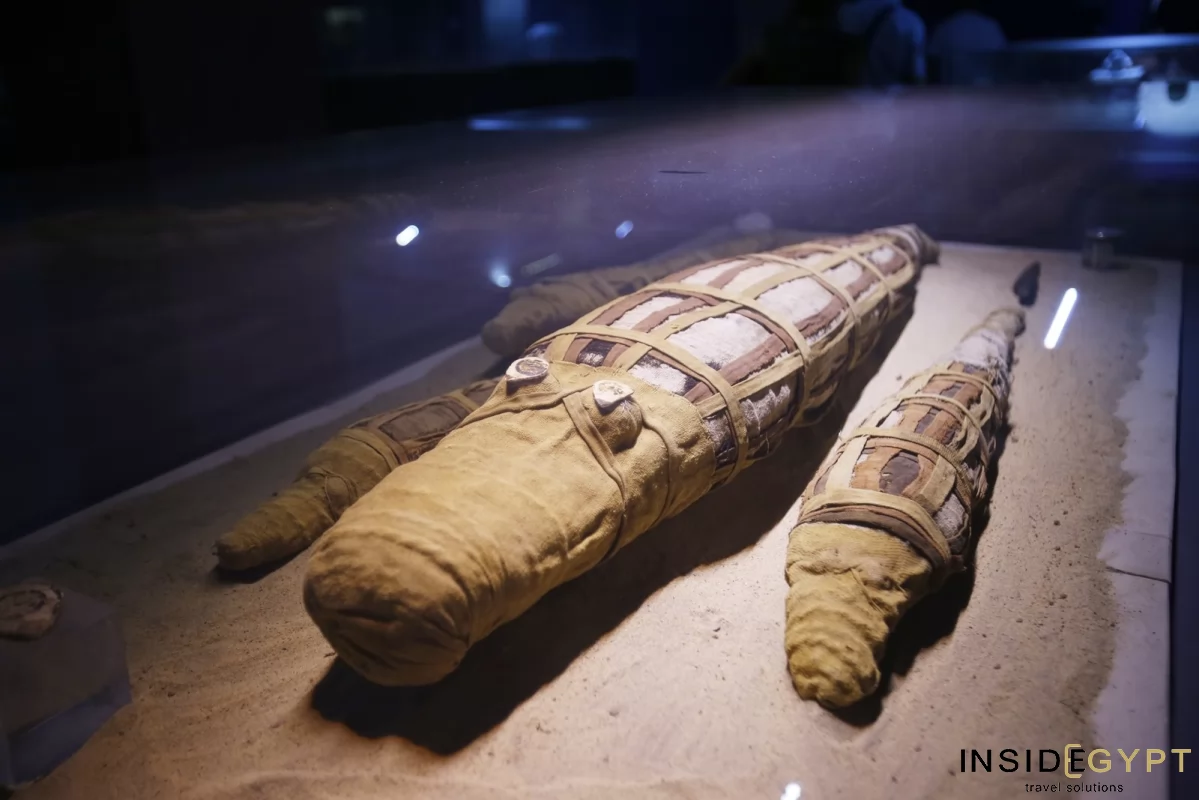
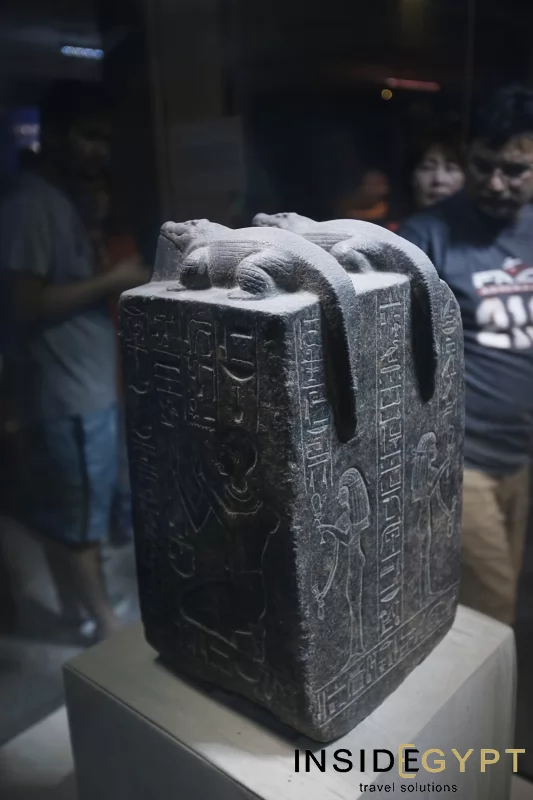
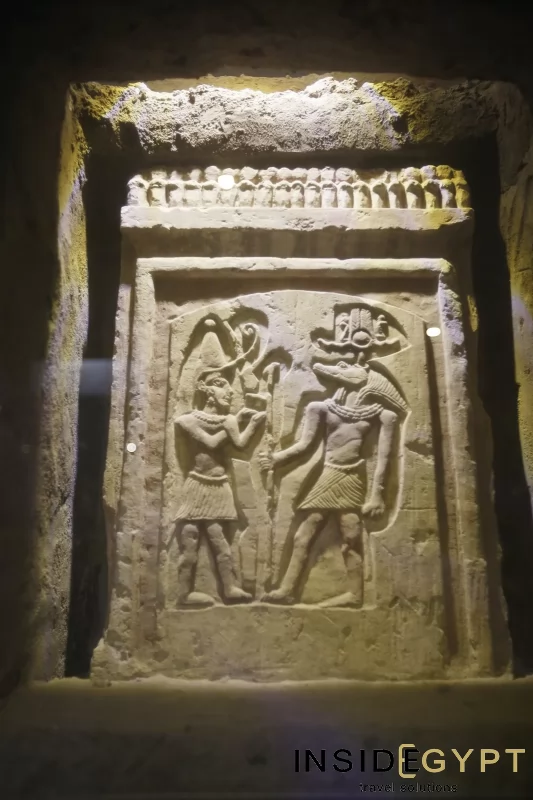
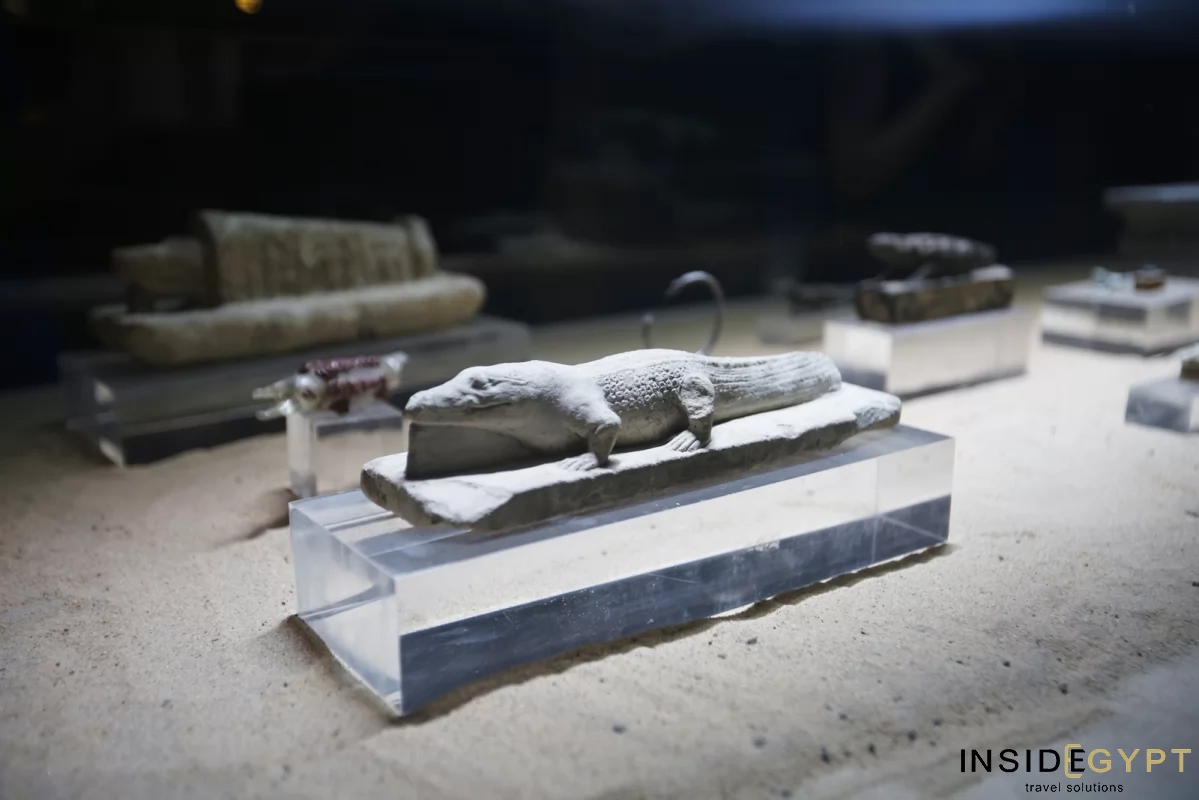
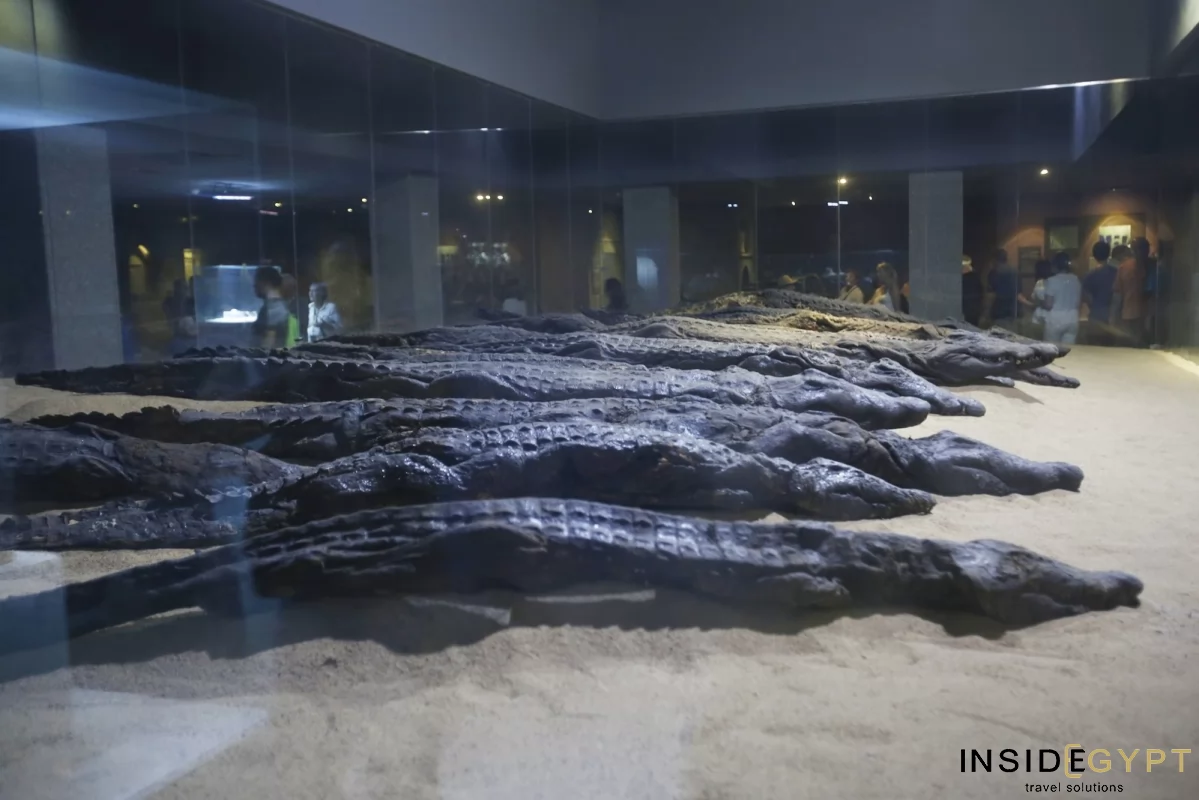
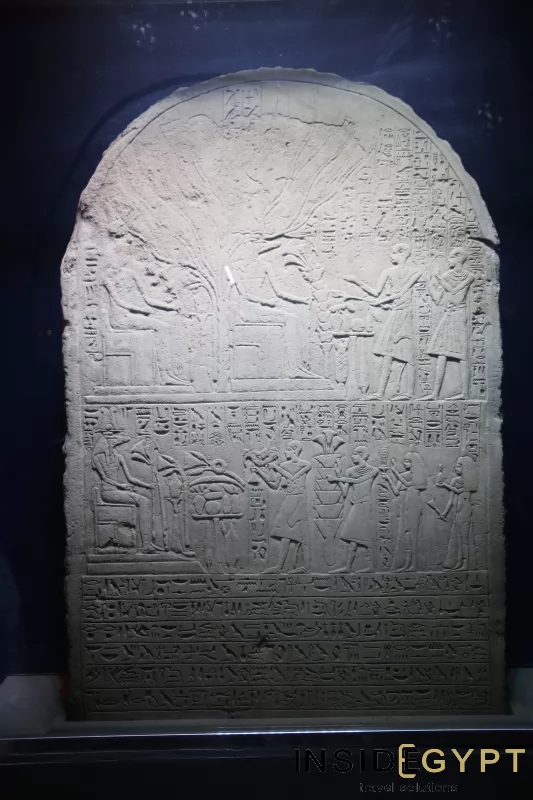
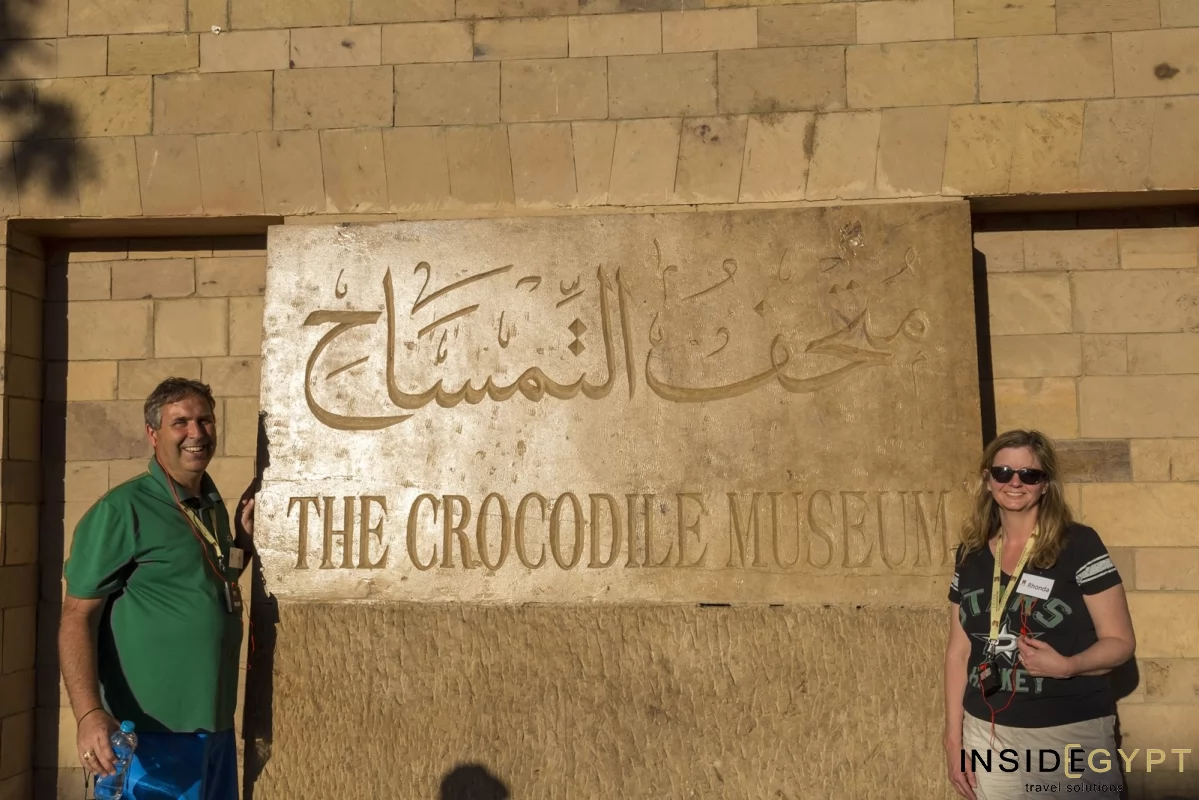
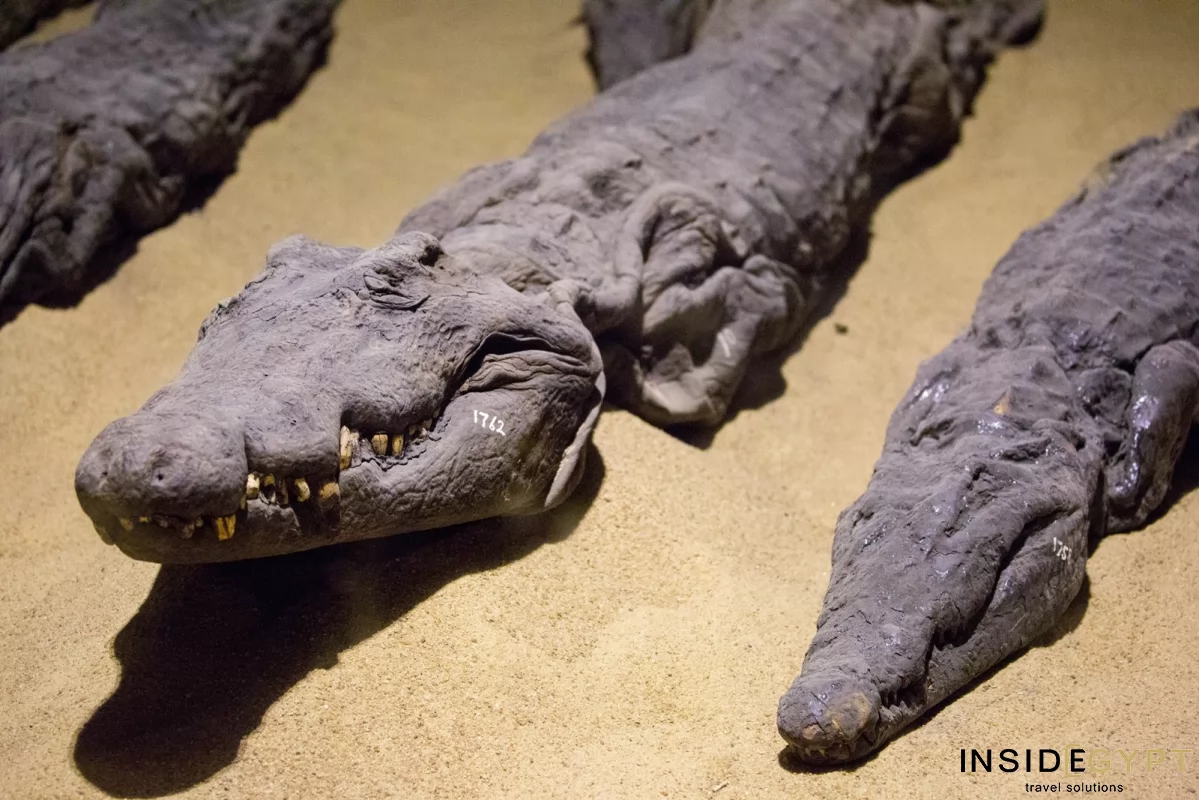
Crocodiles were mummified in ancient Egypt because they were considered sacred animals connected to Sobek, one of the most powerful crocodile deities in Egyptian religion. Sobek was believed to control the Nile's floodwaters and ensure agricultural fertility, making him one of the most widely worshipped deities in ancient Egyptian religion.
In temples dedicated to Sobek, particularly in areas like Kom Ombo and the Fayoum region, crocodiles were sometimes kept in temple environments where priests cared for them as living representations of the god. When these animals died, they were carefully preserved through mummification. These crocodile mummies served as religious offerings and sacred symbols honoring Sobek. Many smaller crocodile mummies were also created as votive offerings from worshippers seeking protection, strength, or blessings from the crocodile deities.
Archaeological research has also documented newly discovered crocodile mummies near Aswan, offering further insight into the religious practices connected with the worship of Sobek.
Today, these preserved animals provide archaeologists with fascinating insight into religious practices and beliefs in the history of Ancient Egypt's crocodile god.
Additional discoveries of crocodile mummies continue to reveal surprising details about ancient Egyptian rituals and burial practices.
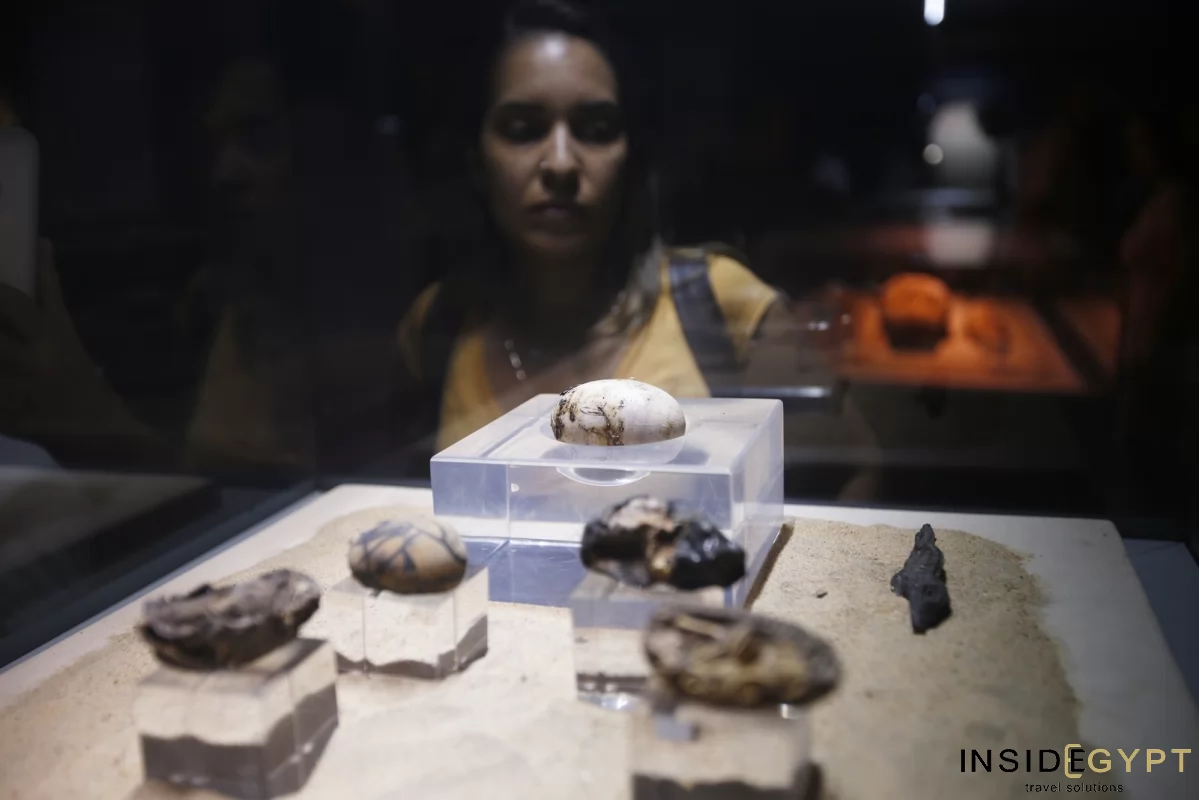
The Crocodile Museum at Kom Ombo displays dozens of crocodile mummies, Sobek statues, ritual objects, carved reliefs, and crocodile eggs recovered from the surrounding temple complex. One of the most striking displays includes dozens of crocodile mummies of different sizes, carefully preserved and presented in glass cases. Some of these mummies are large adult crocodiles, while others are smaller specimens, giving visitors insight into how these sacred animals were prepared for burial in ancient temples.
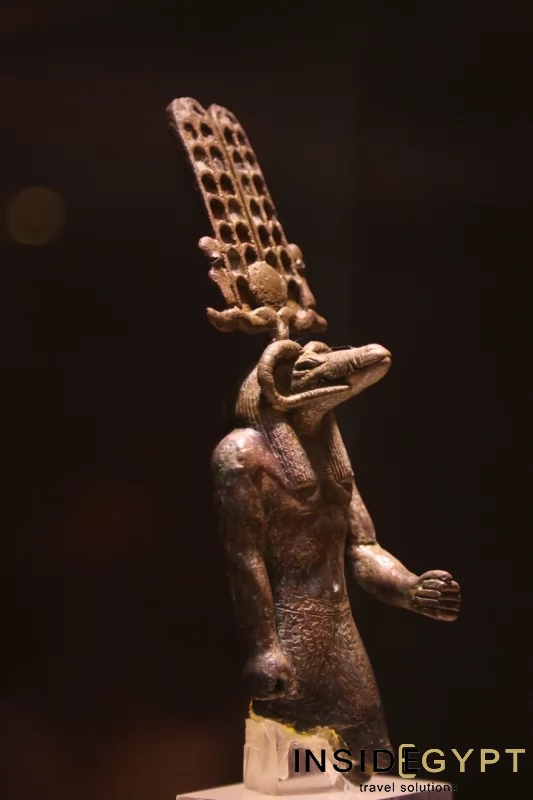
Another highlight of what to see at the Crocodile Museum Kom Ombo includes crocodile eggs, statues of Sobek, and various ritual objects used in religious ceremonies. Visitors can also view pottery, carved reliefs, and other artifacts related to Sobek, which help explain the spiritual role crocodiles played in Egyptian beliefs. The collection documents the role of crocodiles in ancient Egyptian religious practice, from their use as living temple animals and mummified offerings to their representation in ritual art and statuary.
A visit to the Crocodile Museum is relatively short, as the museum itself is small and focused. Most travelers spend about 15 to 30 minutes inside, which is enough time to explore the exhibits and see the preserved crocodile mummies displayed in glass cases. Many visitors choose to explore the Crocodile Museum Kom Ombo either immediately before or after touring the nearby Kom Ombo Temple.
The entrance to the Crocodile museum is located on the same grounds as the temple, just a short walk from the main archaeological site.
Entry to the Crocodile Museum is included in the standard Kom Ombo Temple ticket, as both sites form part of the same archaeological complex and no separate admission is charged.
Your Kom Ombo Temple admission ticket also includes a visit to the Crocodile Museum. Both sites are located on the same grounds, and the museum sits right next to the main temple. A single ticket covers both the temple and the museum, where the collection includes mummified crocodiles, Sobek statues, ritual objects, and crocodile eggs recovered from the site.
Because the two attractions are so close to each other, most travelers visit them during the same stop while exploring Kom Ombo. The museum entrance is located directly adjacent to the main temple, making it a natural extension of a standard Kom Ombo visit rather than a separate stop.
Yes, it is possible to Visit the Crocodile Museum Kom Ombo during many Nile cruise journeys between Luxor and Aswan. Most Nile cruise itineraries include a stop at the Temple of Kom Ombo, which stands directly along the Nile and is one of the most popular archaeological stops on this route.
During this excursion, travelers usually explore the temple with a guide and then tour the Crocodile Museum Kom Ombo, located right next to the temple complex. Because both sites are on the same grounds, visitors can easily see them during the same visit.
These cruise stops typically take place in the late afternoon or evening, when many ships dock at Kom Ombo. The softer light and cooler temperatures make it a comfortable time to walk through the temple and then visit the museum to see the remarkable collection of mummified crocodiles connected to the worship of Sobek.
The Crocodile Museum at Kom Ombo is worth visiting for most travelers: it is free with the temple ticket, takes approximately 20 to 30 minutes to explore, and contains one of the largest collections of crocodile mummies on public display in Egypt. The museum is one of the few sites in Egypt dedicated entirely to animal veneration, focusing specifically on how crocodiles transitioned from feared Nile predators to objects of formal religious worship.
Inside the museum, visitors can see well-preserved crocodile mummies and displays explaining the worship of Sobek, the crocodile god associated with strength, protection, and fertility. The exhibits also help explain ancient mummification practices and the cultural importance of animal deities in Egyptian religion.
Because the Crocodile Museum in Kom Ombo is located directly next to the temple, it naturally complements a visit to the site. Exploring the museum after touring the temple adds historical and religious context, helping visitors better understand why crocodiles were revered and how their worship was connected to the life of the Nile.
Inside Egypt includes the Crocodile Museum as a standard stop on its Upper Egypt itineraries, typically visited alongside the Kom Ombo Temple as part of a private guided day between Luxor and Aswan.
During the visit, an Inside Egypt Egyptologist guide covers the temple's religious iconography and the museum's crocodile mummy collection, explaining the role of Sobek worship in ancient Nile culture.
A knowledgeable guide can also share insights about the discovery of the crocodile mummies, the role of sacred animals in Egyptian religion, and the importance of the site in ancient temple culture.
Including Kom Ombo and the museum in a Nile itinerary allows travelers to gain a deeper understanding of ancient Egyptian beliefs while experiencing one of the most unique archaeological stops along the Nile.
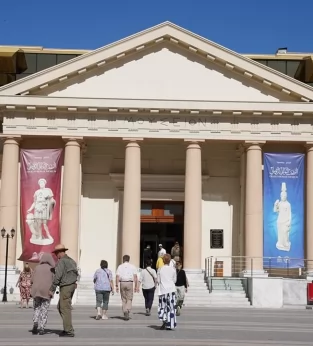
 A Tour of the Graeco-Roman Museum in Alexandria
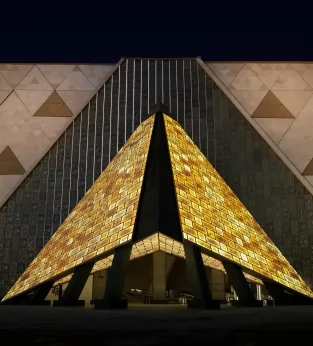
  Grand Egyptian Museum Tour
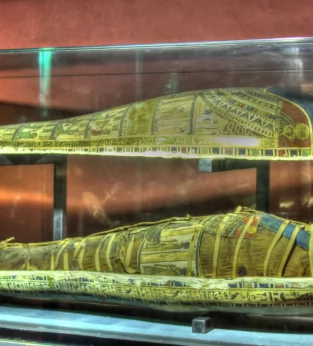
  The Egyptian Museum in Cairo
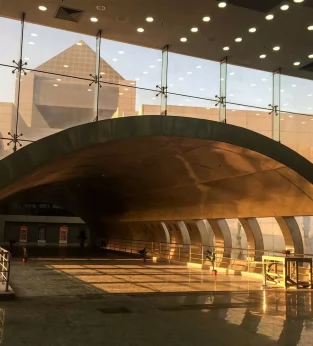
  The National Museum of Egyptian Civilization
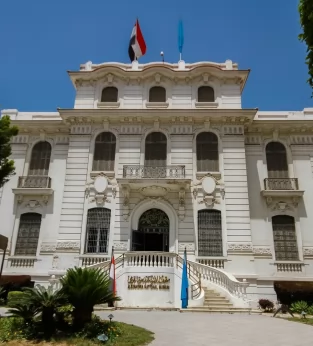
  National Museum of Alexandria
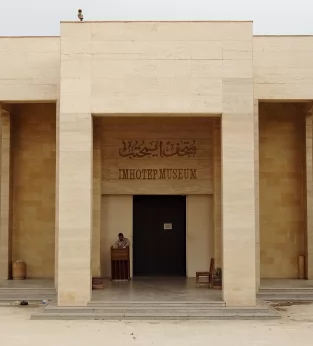
  The Imhotep Museum in Saqqara
  The Nubian Museum in Aswan
 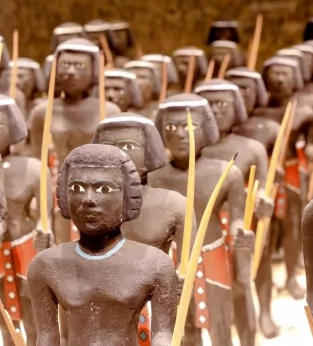 Museum of the New Valley in Kharga oasis